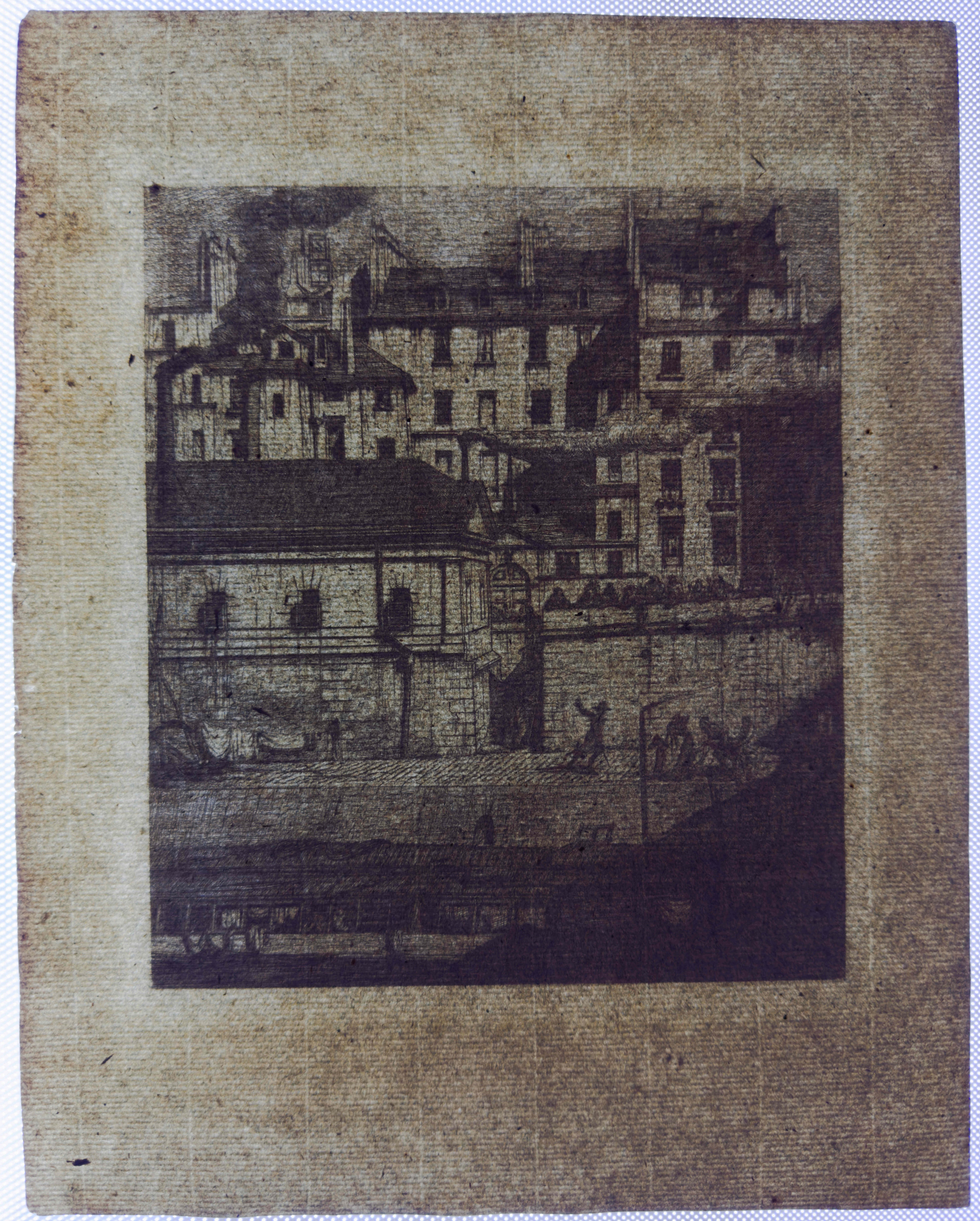
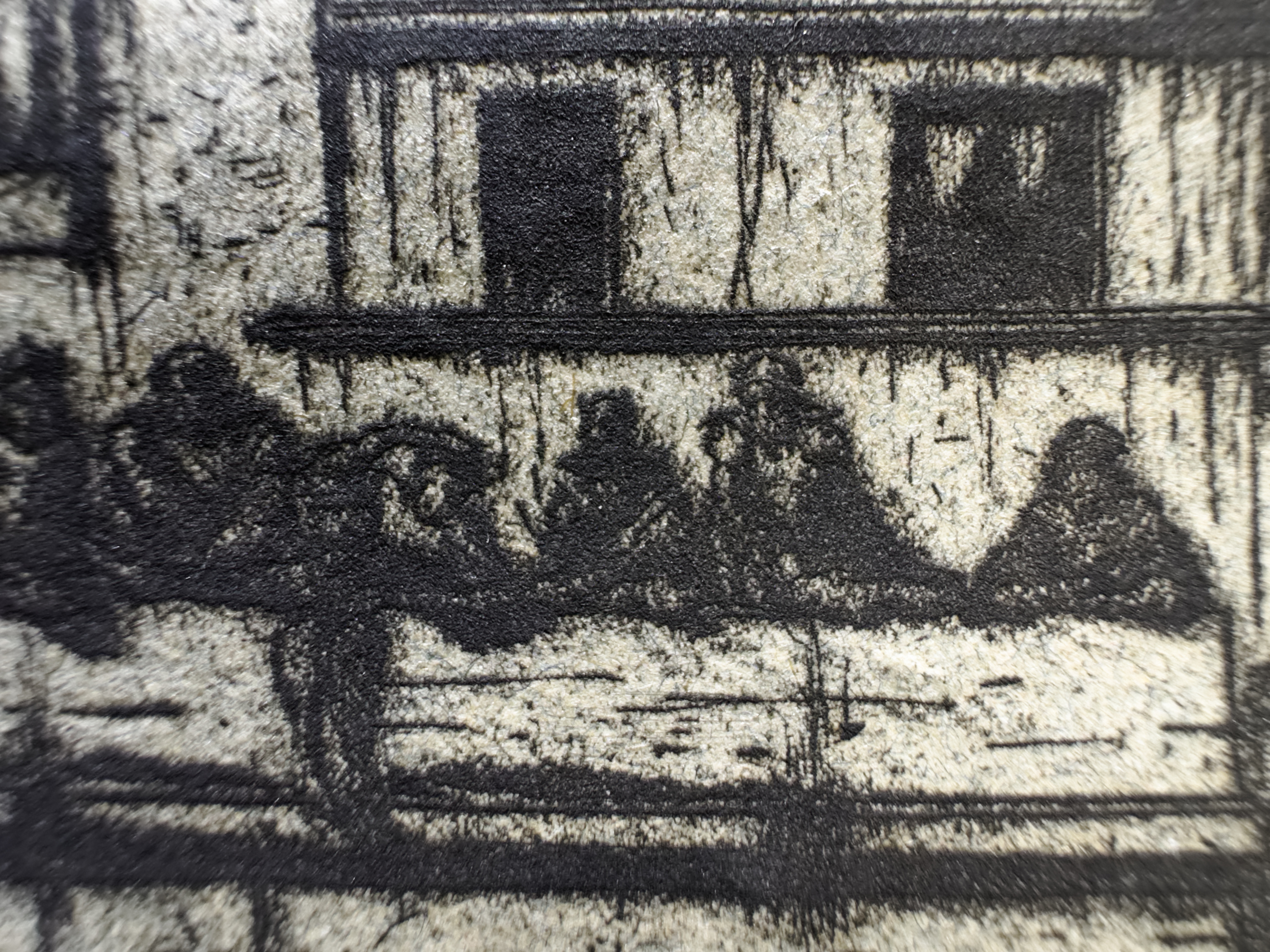
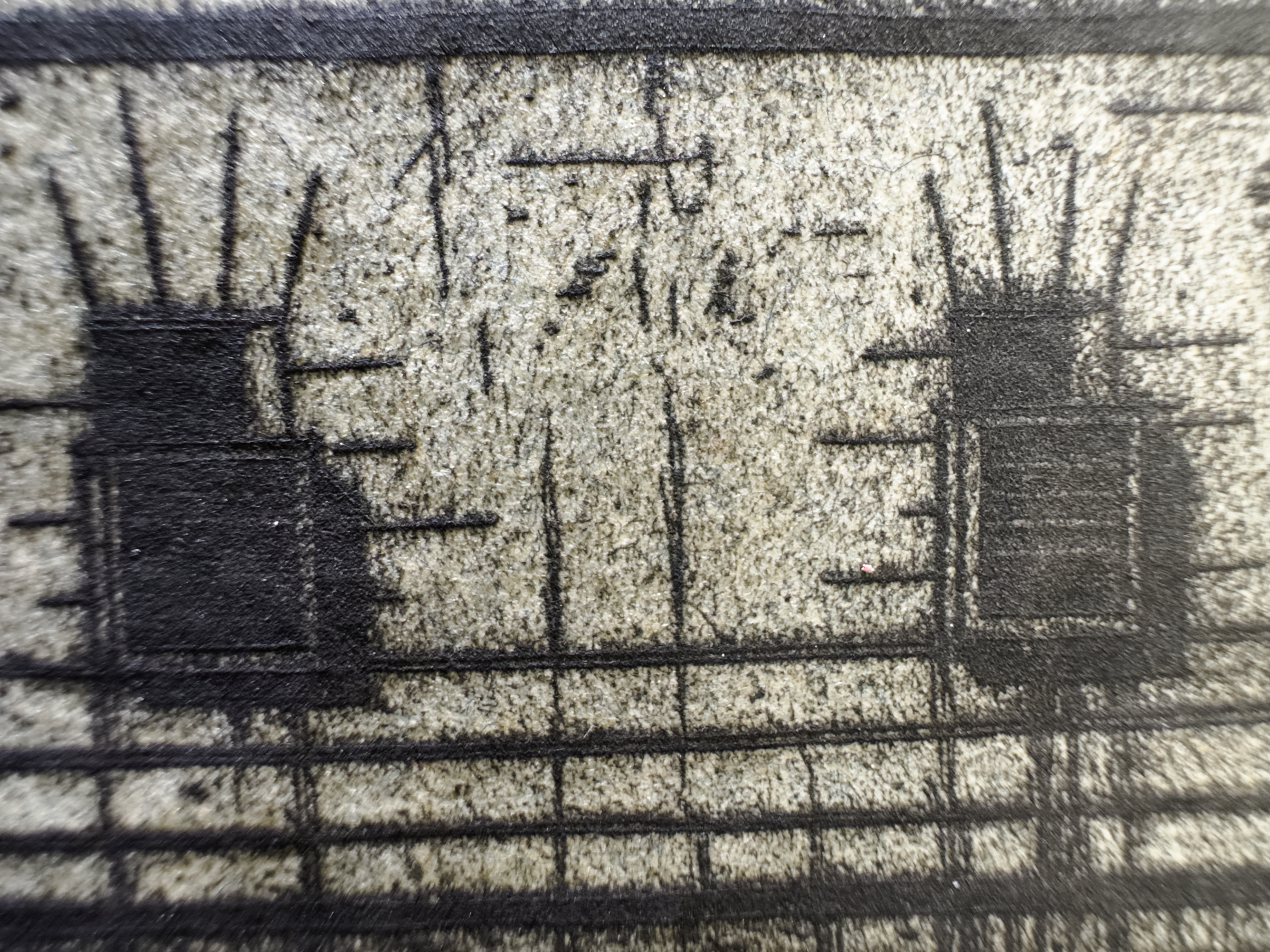
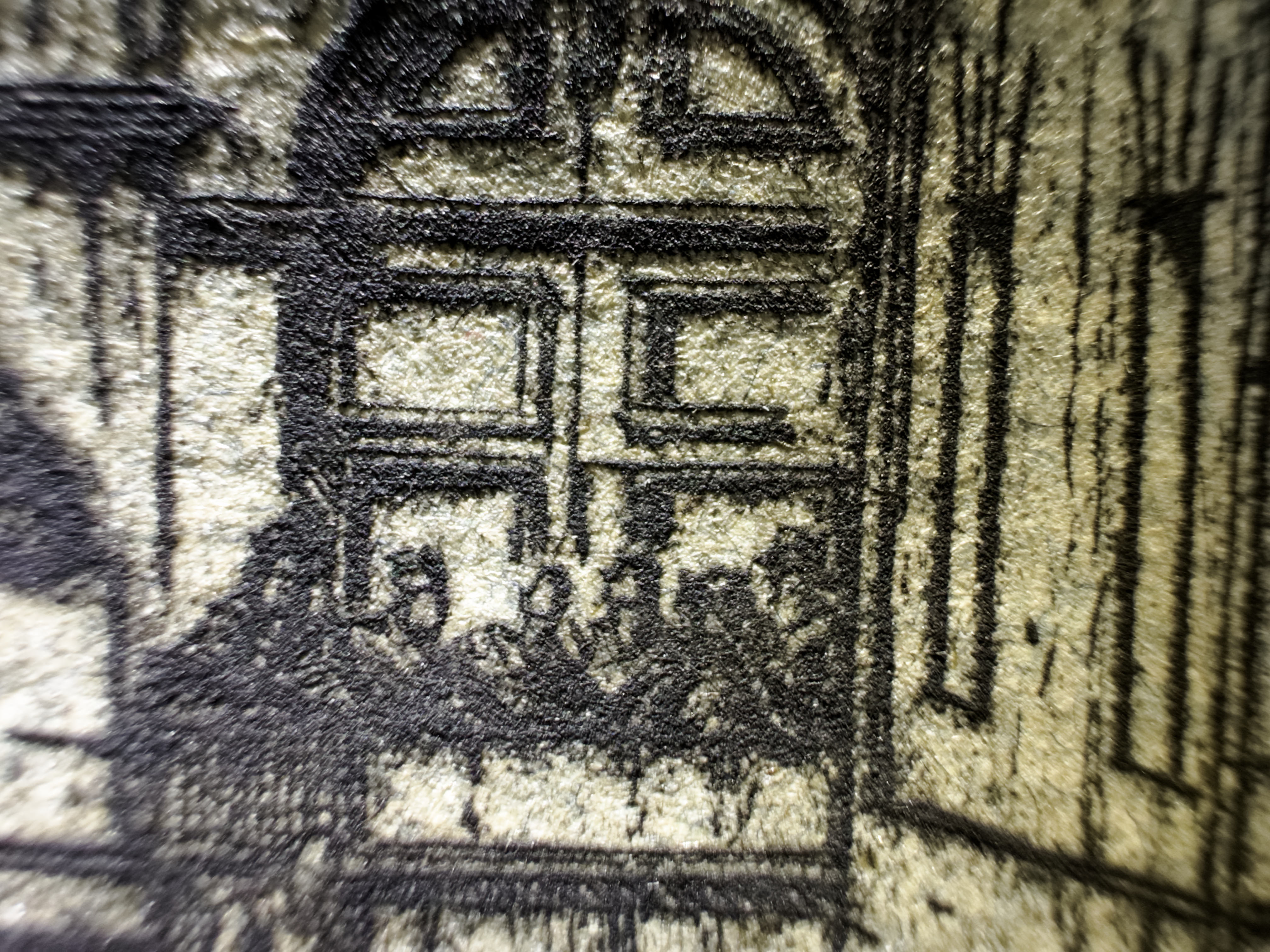
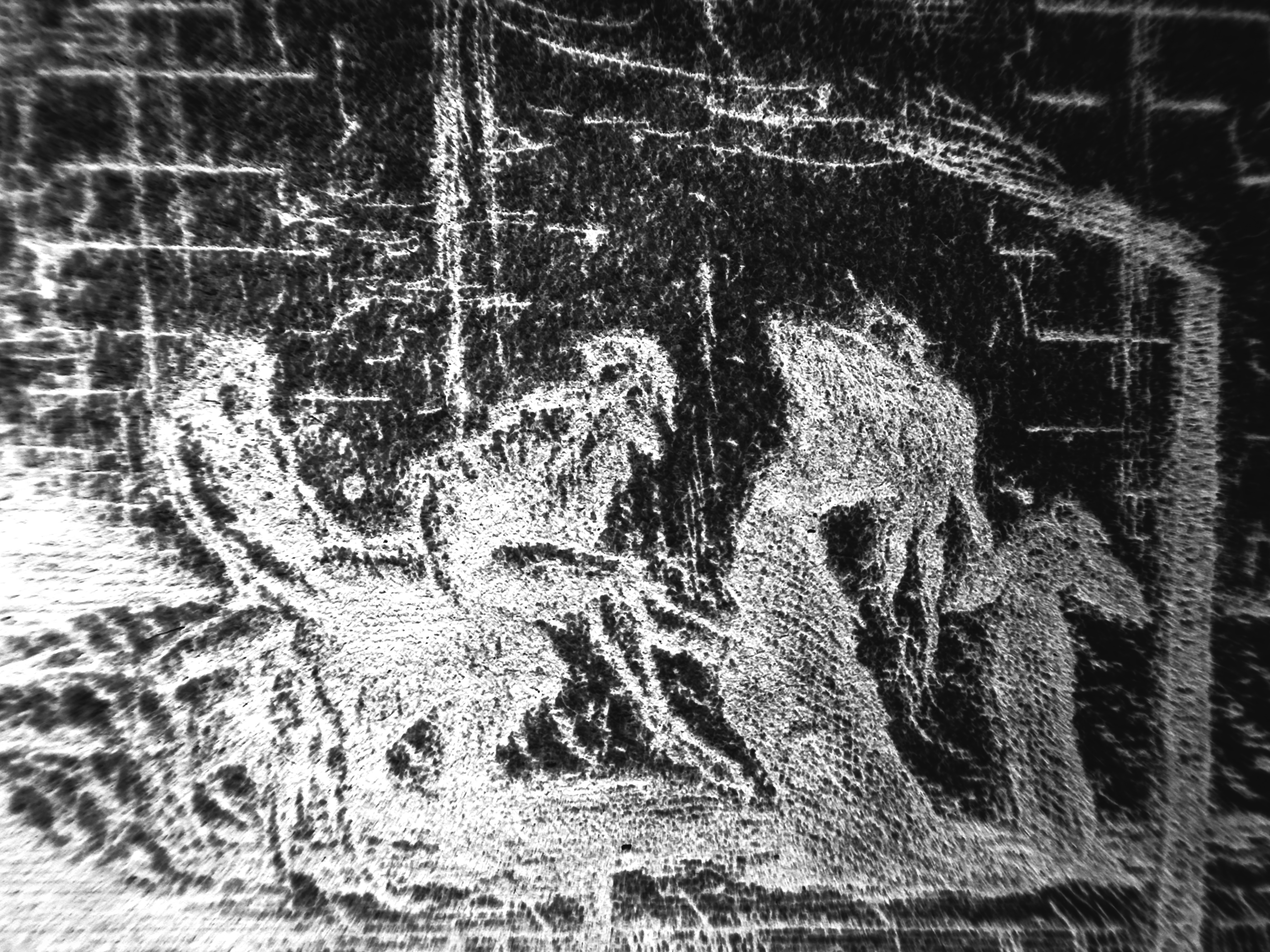
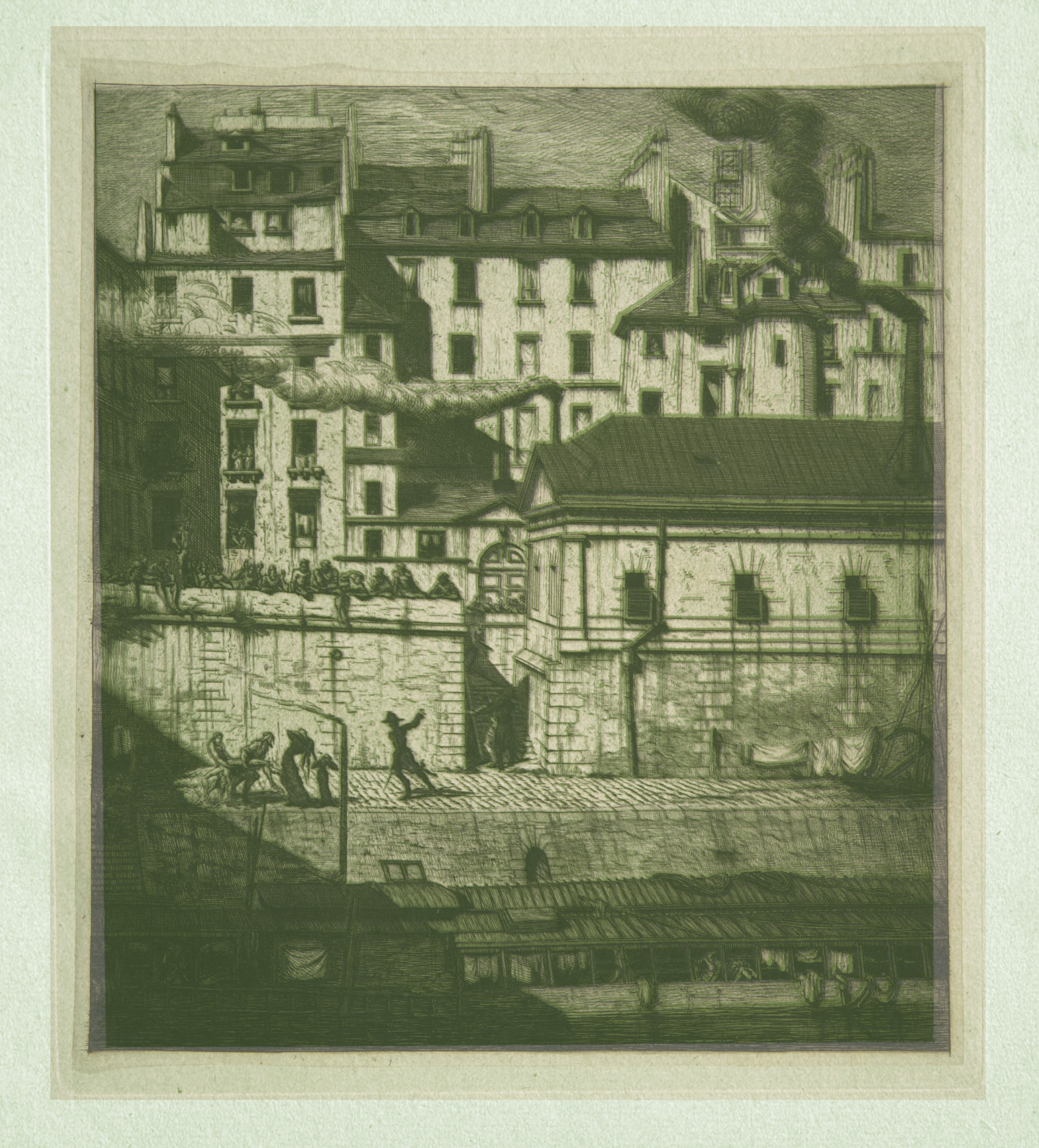
Original print by Charles Méryon, corresponding to an early stage of plate preparation. The absence of publisher’s marks, combined with the rich texture revealed under microscopic examination, makes this impression an extremely rare and historically valuable piece, representative of the artist’s original and most dramatic vision prior to commercial publication. The composition is characterized by an intense tonal construction and a fully developed graphic structure, predating the addition of any handwritten marks or publisher’s indications. This early stage reflects the artist’s technical and expressive language at a point prior to the final plate preparation.
Technical documentation of the print through direct material observation, including paper structure (laid pattern and chain lines), ink–fiber interaction, plate mark under raking light, line morphology under macro/microscopy, and tonal mechanism analysis (dense hatching, selective burr, and crevé saturation). Overlay comparison is used to test matrix identity against an institutional reference without interpretive distortion.
This section summarizes the physical condition and technical profile of the work based on direct material observation.
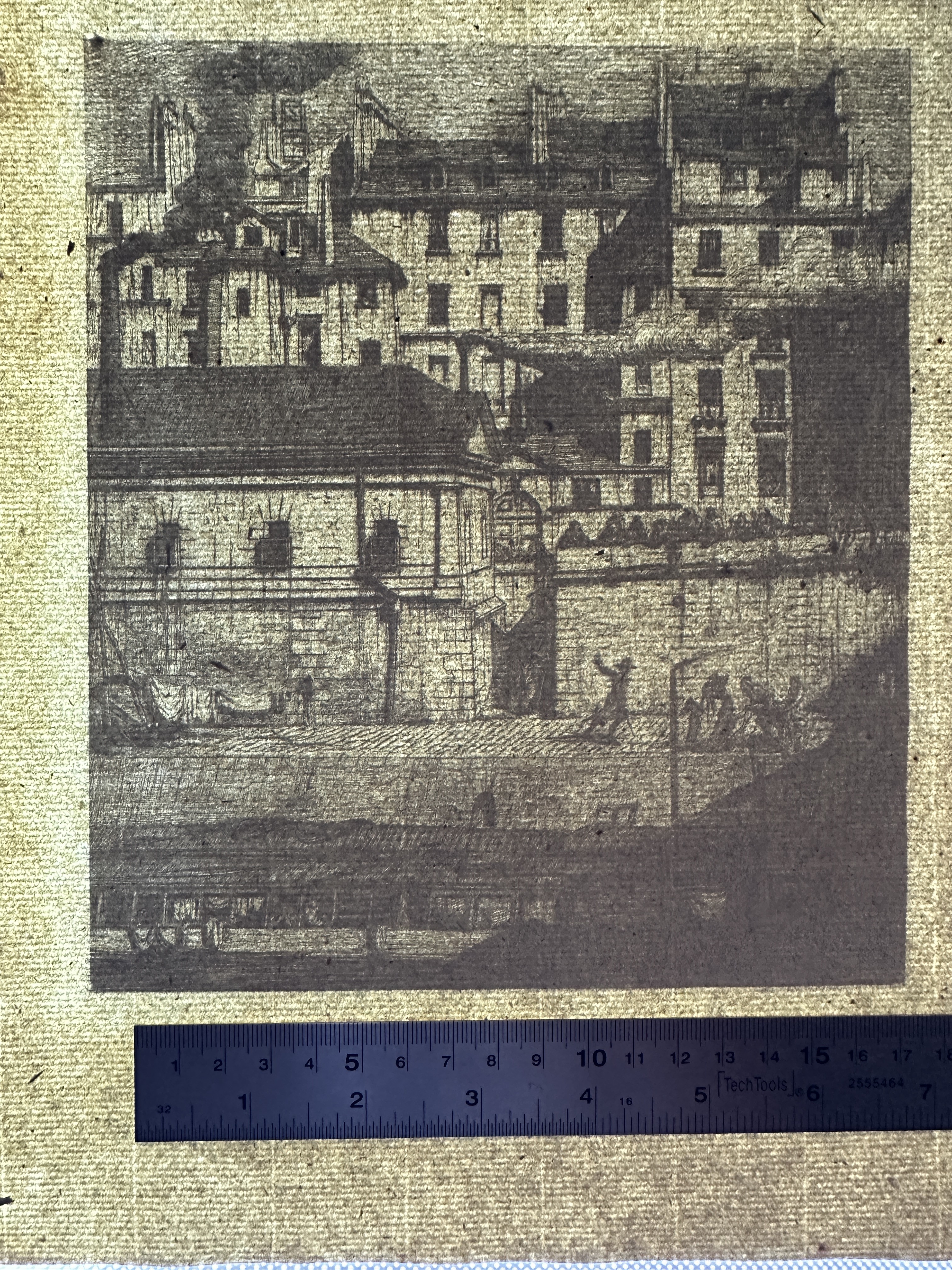
Handmade laid paper with clearly visible chain lines, measurable at an approximate distance of 29–30 mm. The laid structure is perceived as a regular system of chain lines, consistent with a traditional handmade paper mold.
I. Laid structure / chain lines
Chain lines are documented with ruler-based measurement, providing a stable, reproducible support parameter (29–30 mm).
II. Blue fibers embedded in the sheet (rag paper)
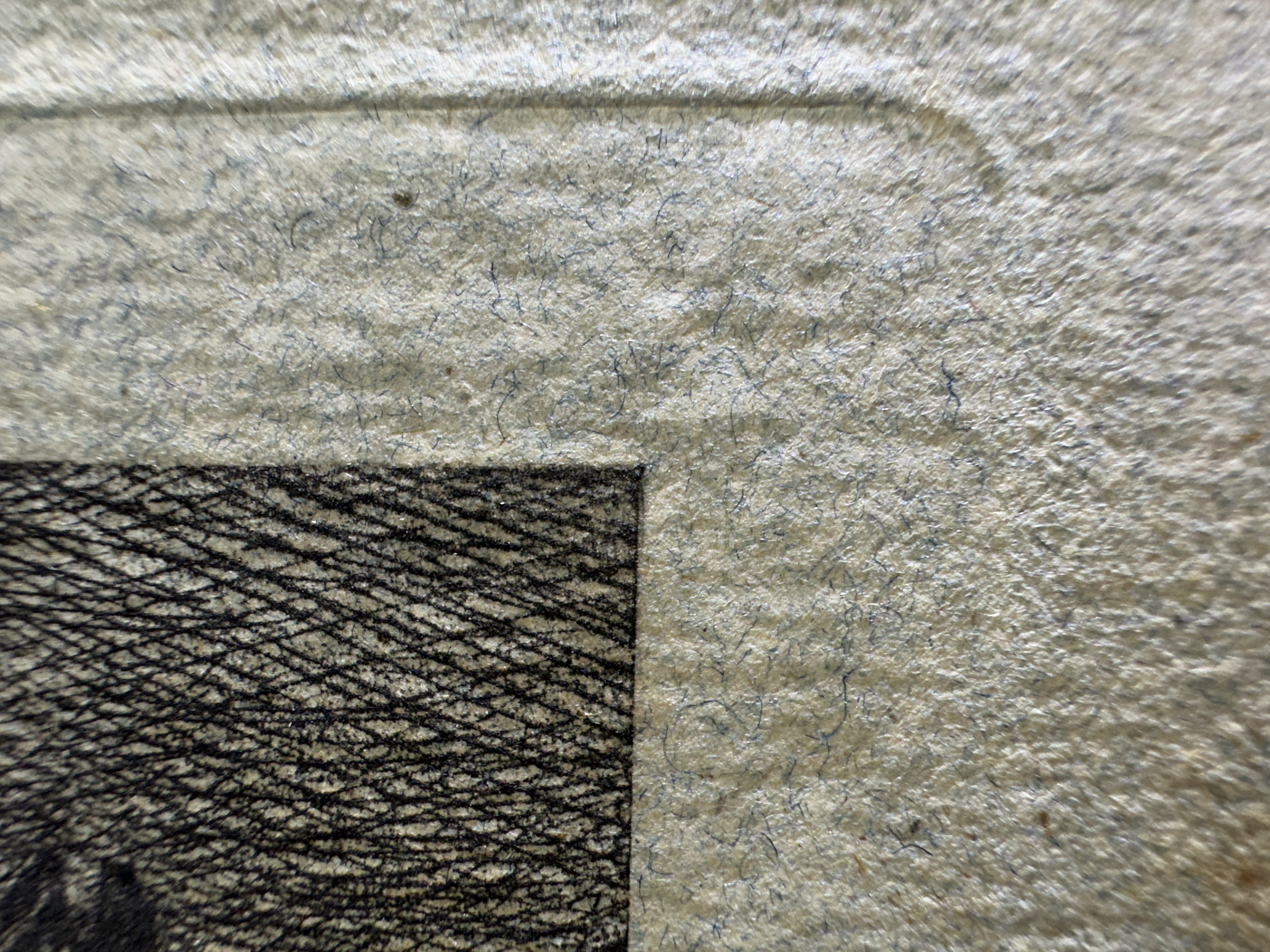
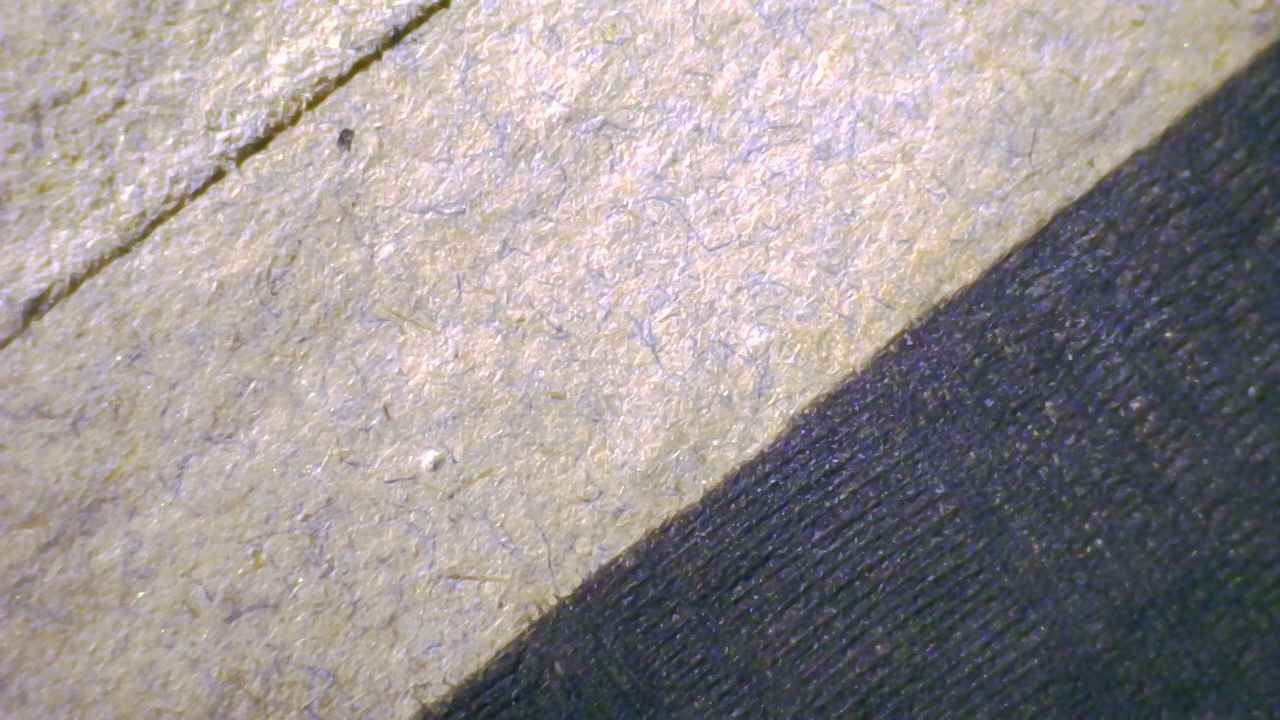
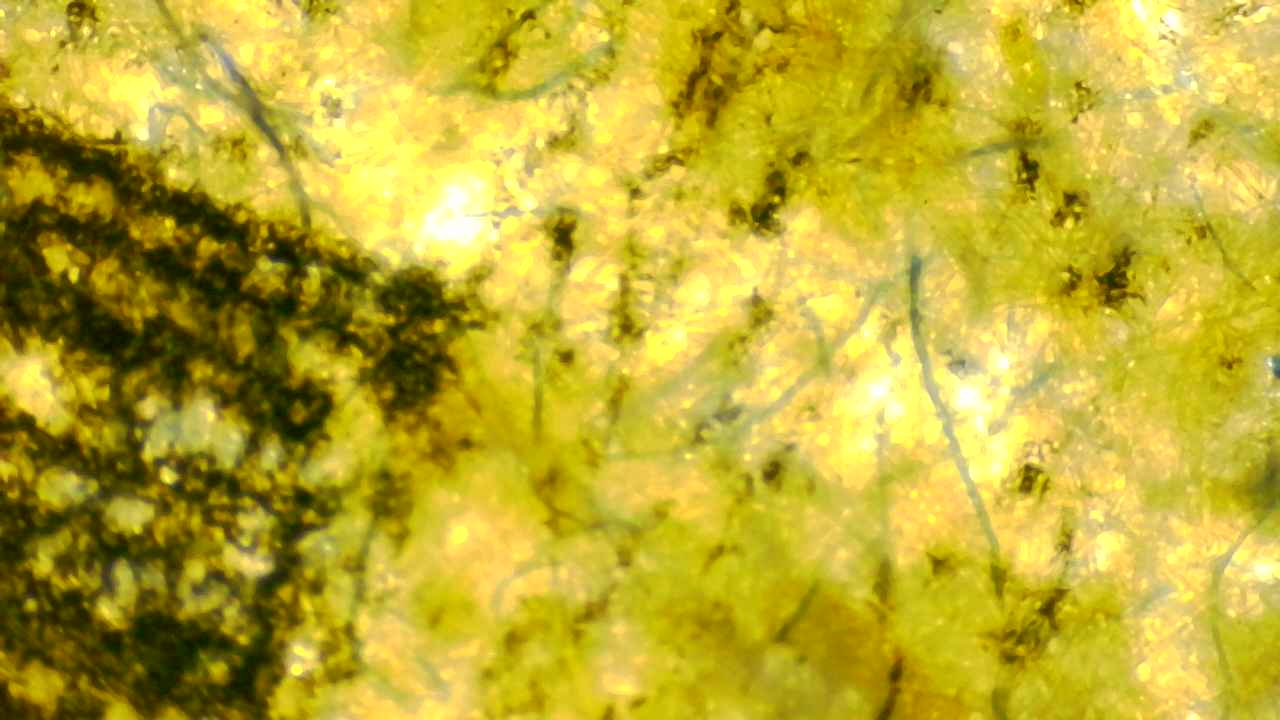
Blue fibers are observed embedded within the sheet under macro/microscopic examination. These appear as small strands or fragments integrated into the pulp, consistent with rag-based paper manufacture.
III. Watermark
Watermark not visible at this stage: due to the overall tone, ink volume, and optical properties of the printed sheet, the watermark may not be clearly legible in a standard photograph or may simply not be present on this paper.
Associated visual evidence (support set)
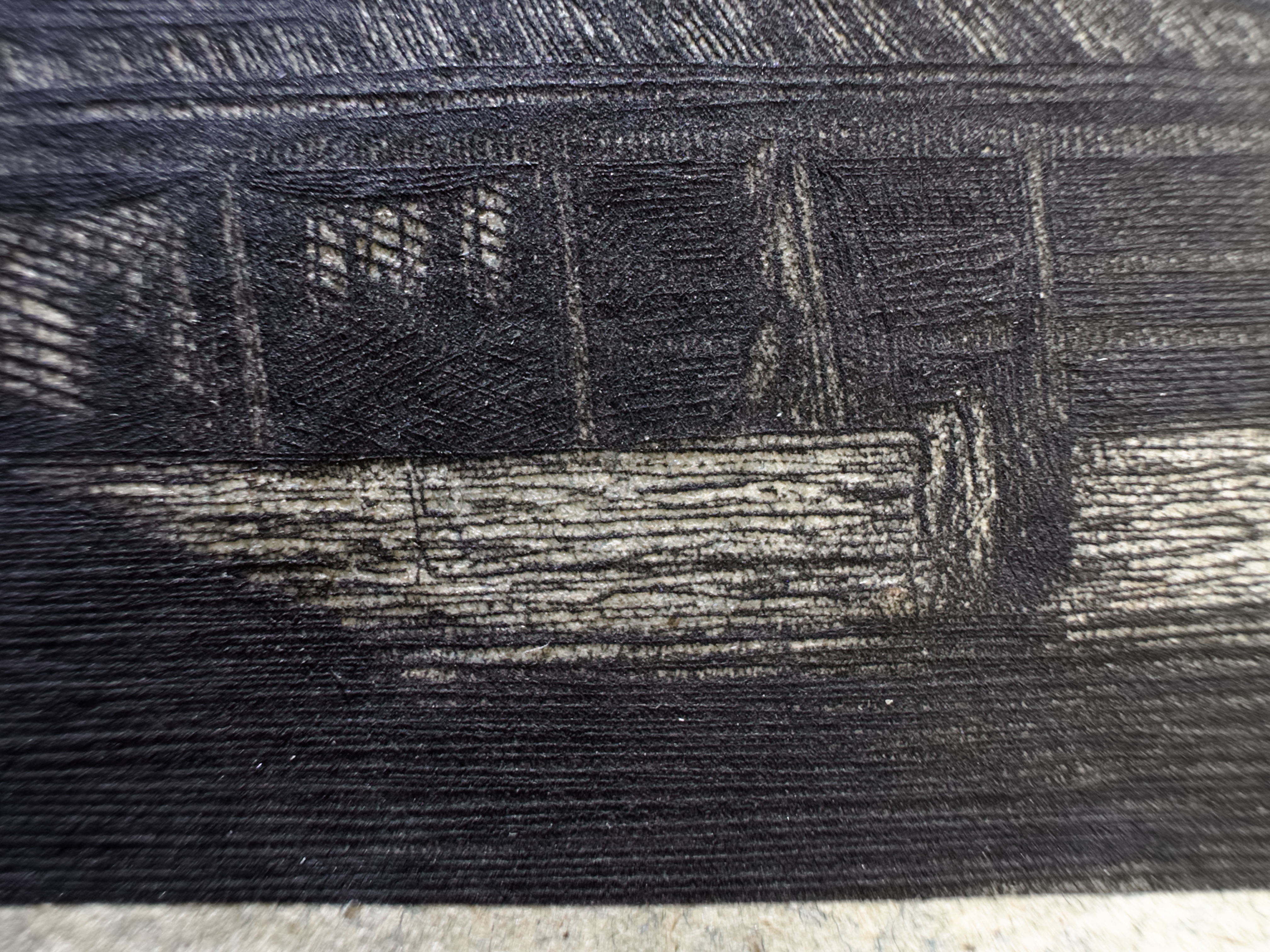
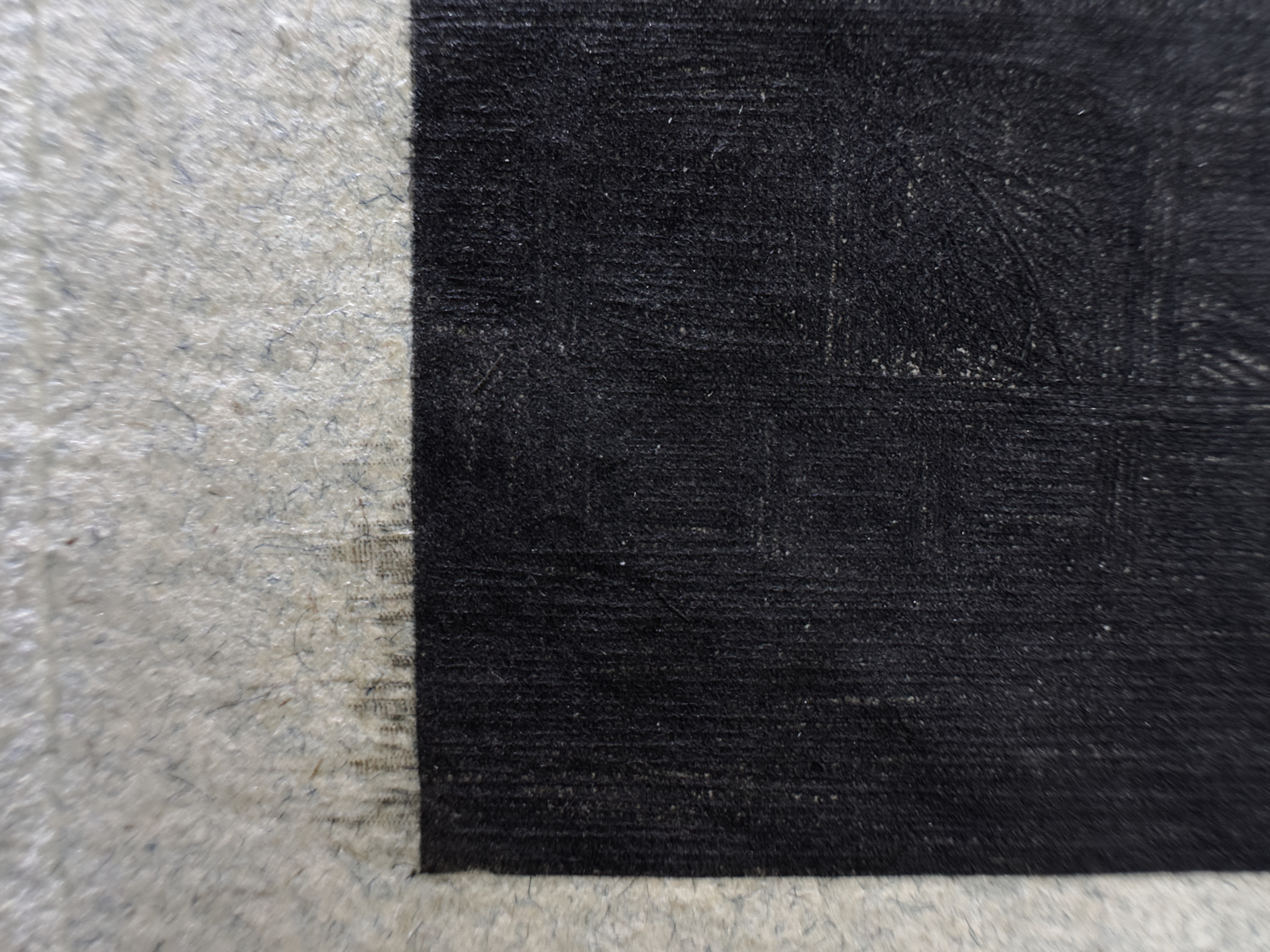
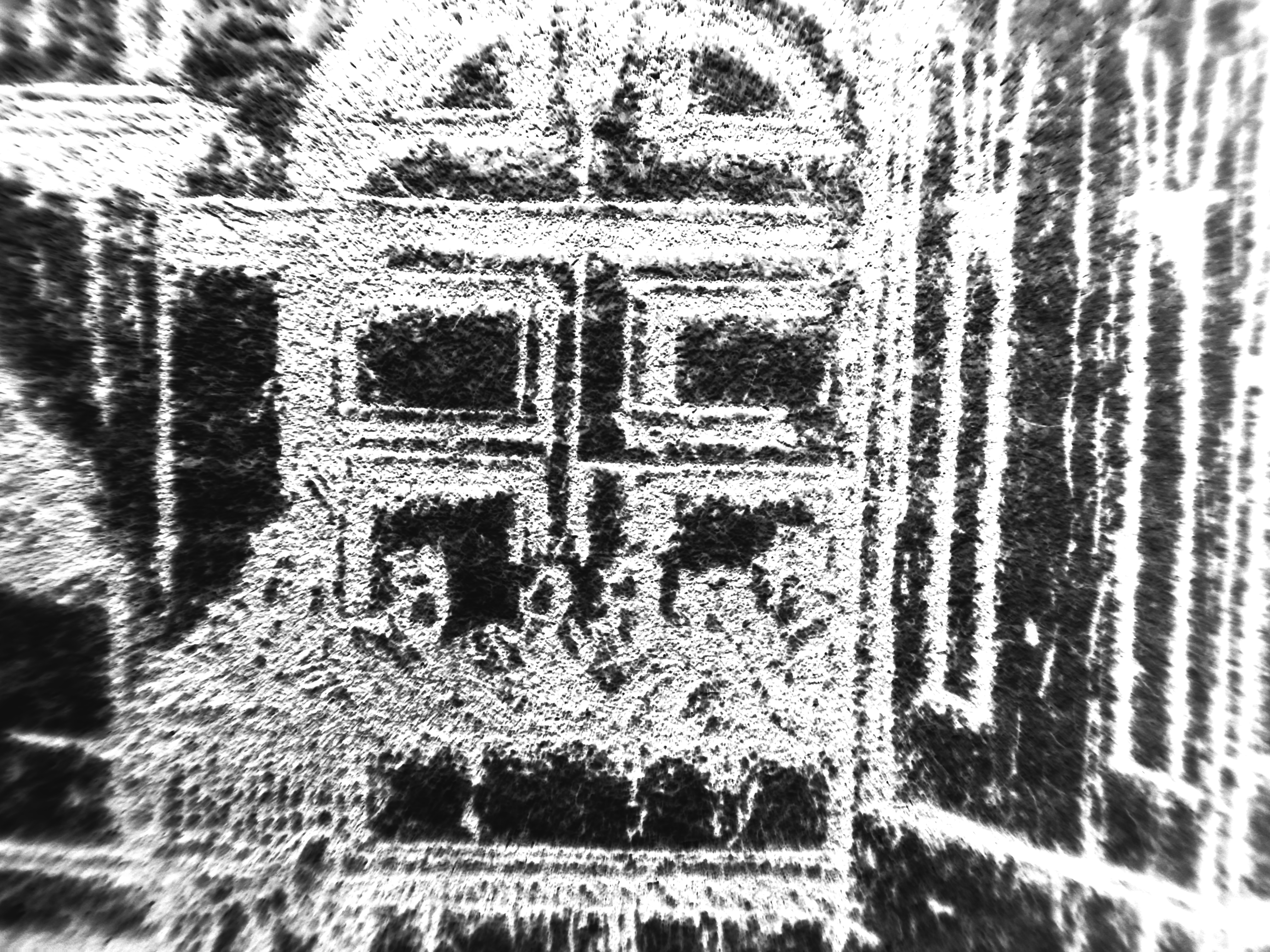
The examined areas demonstrate a consistent and systematic presence of high ink load across architectural elements, figures, and background fields. The dark tones are not localized or erratic, but recur uniformly throughout different structural components of the composition.
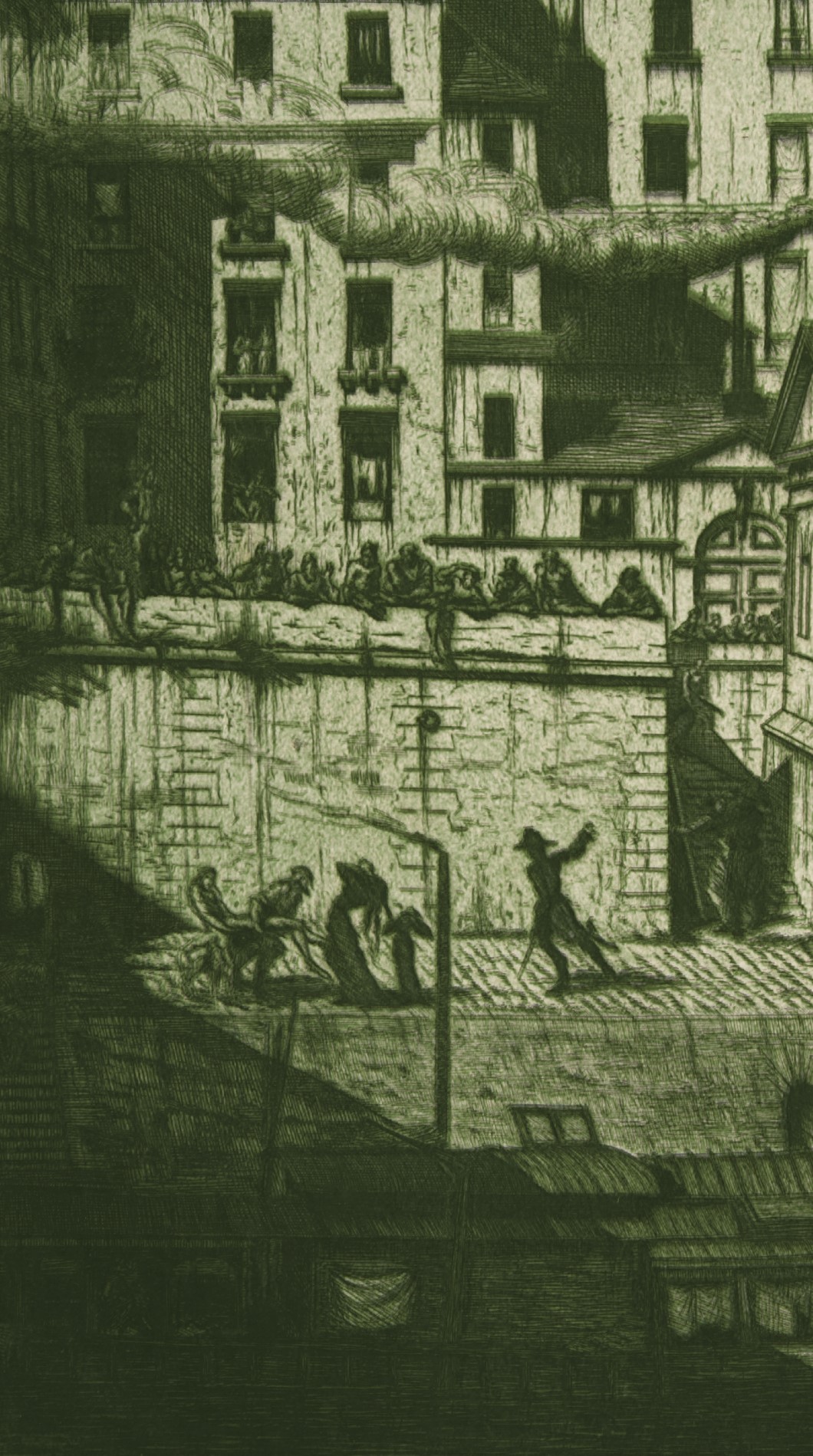
Despite the dense saturation, the dark areas retain clear internal structure. Individual engraved lines, directional hatching, and cross-hatching remain visible beneath the black tone. The black tone are therefore constructed through accumulated linear work, not through flat tonal filling.
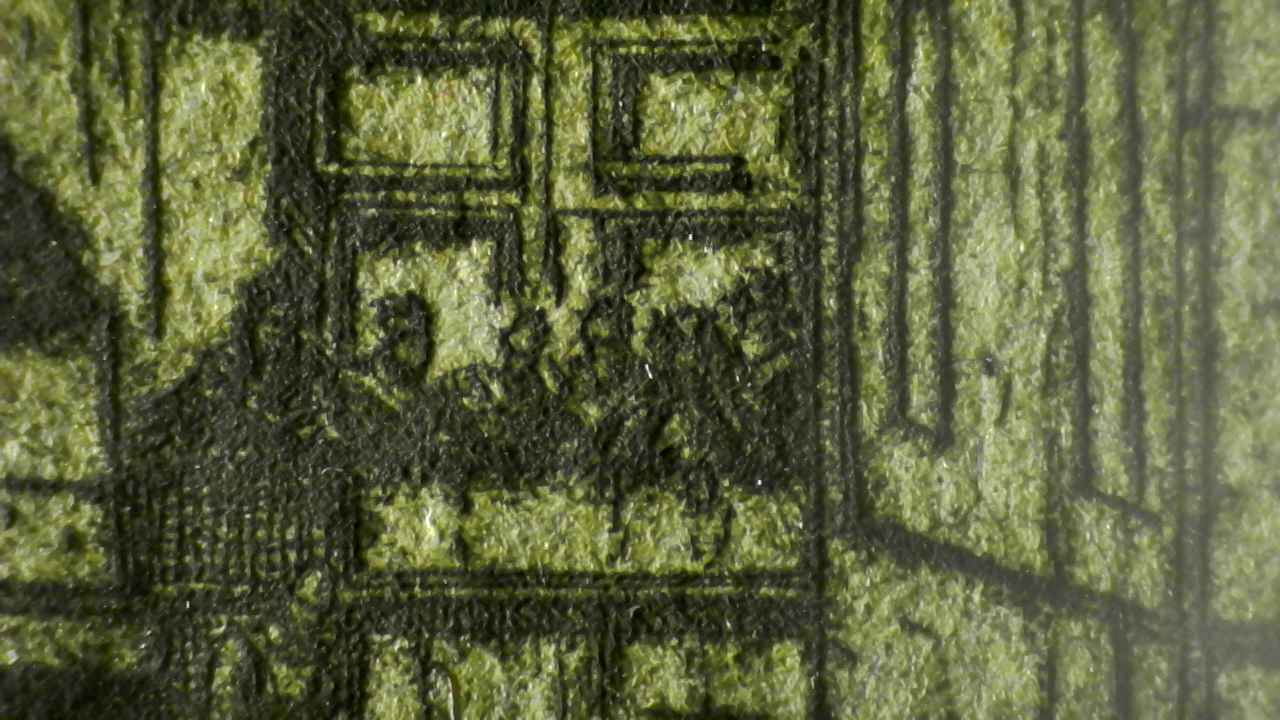
Microscopic observation shows that the ink is retained within active incised grooves. The edges of the engraved lines remain operative under saturation, allowing contours, architectural divisions, and volumetric modeling to persist even in the darkest passages.
The wiping process appears deliberately incomplete and controlled. There is no evidence of accidental smearing, irregular wiping marks, or uncontrolled ink pooling. Instead, ink density is maintained coherently across figures, roofs, windows, and background planes.
The paper surface remains perceptible beneath the inked areas. Ink–fiber interaction is visible, indicating penetration and mechanical engagement rather than superficial deposition. The dark tone adapts to the fiber topography instead of obscuring it.
Across all four images—background field, roof plane, architectural windows, and ascending figure—the same technical behavior is observed: Darkness achieved through ink retention in engraved structures, sustained cross-hatching integrity, and preservation of form and depth under high ink load. Collectively, these features establish that the observed dark tones result from:
This configuration reflects a deliberate exploration of maximum ink load and line behavior under saturation, consistent with an experimental working phase rather than a standardized, circulation-oriented impression.
The validation of the presented print is not limited to its iconography, but is based on a detailed analysis of its physical execution. Through macrographic observation of critical sections of the plate, the coexistence of chemical and mechanical processes that define Meryon's visual language has been documented. The following section presents a synthesis of the technical findings that articulate the structure, atmosphere, and drama of this copy of La Morgue (1854), followed by the visual evidence that supports each point.
The detailed analysis of the samples (Figs. 1, 2, 3, and 4) allows us to conclude that the work is an exceptional testament to Meryon's technical complexity, where the engraving ceases to be a linear reproduction and becomes a material construction. The convergence of the four points analyzed dictates the following:
Substantive Integration: The work does not rely on a single technique, but rather on the superimposition of layers. The basic structure of the etching is enhanced by the mechanical aggression of the burin and dry point, allowing the architecture to possess an almost stony solidity that contrasts with the fragility of the human figures.
Mastery of Uncertainty: The use of crevé and active burr demonstrates that Meryon integrated "accident" and the wear of the metal as narrative resources. These techniques not only contribute darkness but also simulate the erosion and soot of Parisian buildings, giving the print a three-dimensional and tactile quality.
Material Atmosphere: The support is crucial. The choice of paper with blue fibers, combined with a deliberate plate tone, eliminates the coldness of pure white. This technical decision is what endows the work with its characteristic atmosphere: a suffocating, humid, and melancholic Paris, where the light seems to filter through the industrial smog of the mid-19th century.
Final Assessment: The simultaneous presence of heavy inking, gentle wiping, and structural reinforcements confirms that this copy was produced according to the artist's highest standards. The work analyzed is not a simple image, but a complex technical object where every fiber of the paper and every saturation of black has been calculated to convey a dramatic and tangible presence.
Systematic microscopic examination unequivocally confirms that the work was created using fully consistent and physically verifiable manual intaglio processes, without technical anomalies or internal contradictions.
The presence of active burr preserved in curvilinear drypoint strokes demonstrates direct intervention on the copper, with selective reinforcement of lines intended to intensify volume and tonal depth. This burr is neither residual nor accidental: it retains continuity, direction, and response to grazing light, confirming an early and technically controlled impression.
Dense oblique etching, with lines stably etched by the acid, constitutes the structural basis of the image. The lines maintain defined edges and metric regularity, evidencing a controlled chemical bite and prior planning of the tonal field. No artificial granulation, screening, or mechanical regularity characteristic of indirect processes is observed.
The architectural field constructed in etching exhibits a stable linear structure. The spatial construction is based on the conscious superimposition of lines, not on flat masses of surface ink.
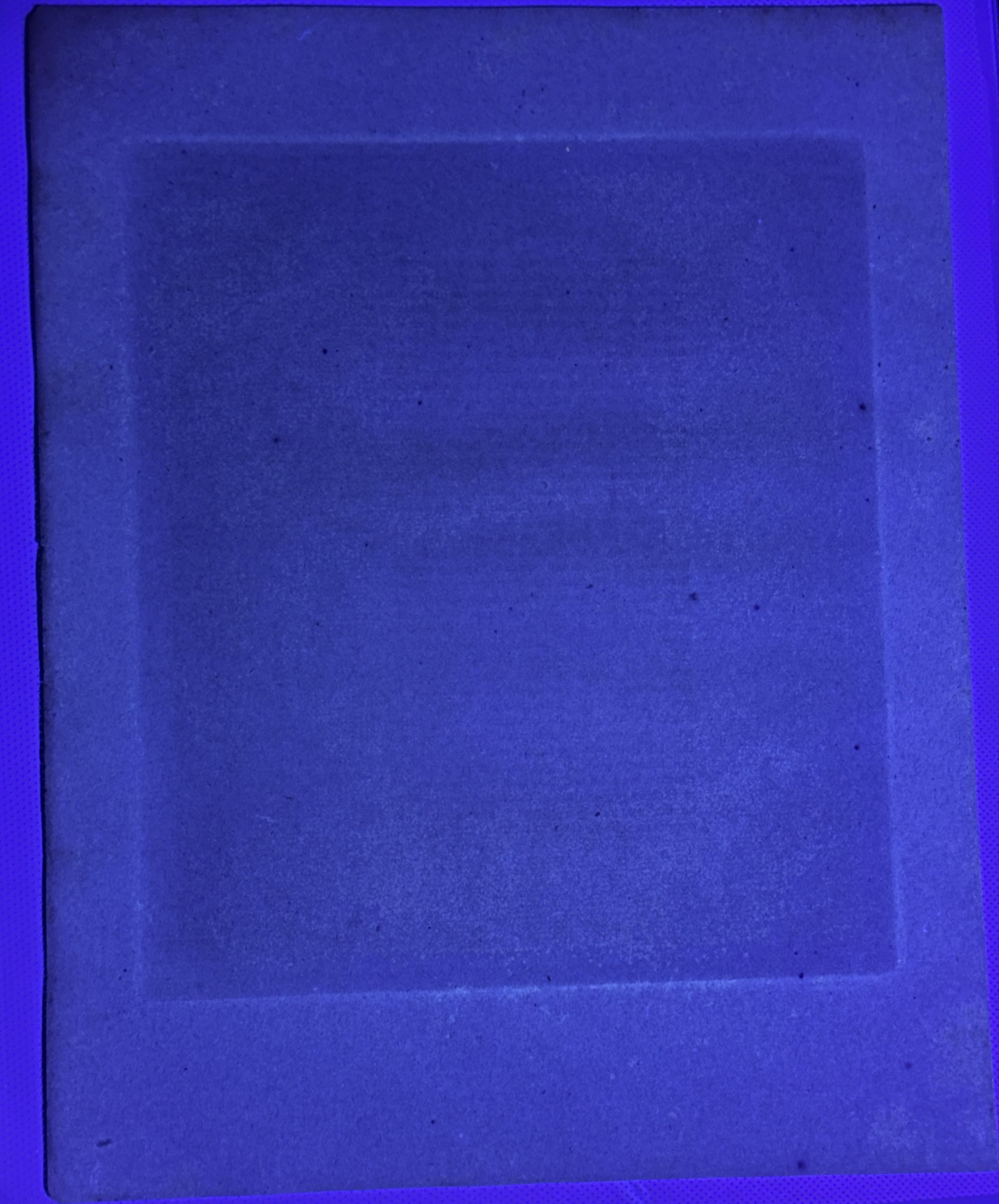
The plate mark observed under raking light confirms a real physical deformation of the paper produced by pressure, consistent only with intaglio printing. The interaction between relief, fiber, and ink is consistent with manual printing on laid rag paper.
Tonal saturation by crevé manifests as a progressive filling of the engraved grooves through the extreme accumulation of linear work. This saturation does not negate the underlying structure: the grooves remain active and functional, generating deep blacks built by graphic density and not by superficial application of ink.
Taken together, all observed phenomena—active burr, stable acid etching, coherent architectural structure, physical plate mark, and crevé saturation—converge without contradiction within a single technical system aligned with historical intaglio practice.
Microscopy confirms a fully physical intaglio system: active burr in selective drypoint, stable etched grooves, physical plate mark deformation, and crevé saturation built through groove filling. No evidence of halftone screening, photograin, or planar surface film deposition is observed.
A direct digital overlay was performed between the Álvarez Collection print and the institutional reference held at The Met (The Mortuary), using uniform proportional scaling, alignment by structural axes, and matching plate contours. No distortions, optical corrections, or interpretive adjustments were applied.
The overlay confirms structural identity of the matrix: plate outline and internal proportional relationships correspond. Observable differences are limited to ink intensity, localized preservation of burr, and pressure-related micro-relief—variations expected between authentic impressions printed at different moments within the active life of a plate.
The print was passed down through generations, remaining within the same family. Its state of preservation suggests minimal handling: it was kept for decades in a protected environment, away from direct light, humidity fluctuations, and common framing-related damage. It is likely that the print has been handled far less in the last hundred years than during the last months, when it was meticulously examined under microscopy, with raking light, and through support analysis as part of this technical study.
This continuity of private custody—with no recorded sales, auction appearances, or dealer intervention—helps explain the exceptional state of preservation and the persistence of fragile physical characteristics often lost in circulating impressions, such as preserved burr, stable plate mark relief, and intact support features.
Provenance supports the technical reading through material consistency: the sheet’s condition aligns with an impression preserved with minimal disturbance over time.
Delteil, Loys. Le Peintre-Graveur Illustré, Volume 2: Charles Méryon. Paris, 1907.
Burke, James D. Charles Méryon: Prints and Drawings. Yale University Art Gallery, 1974.
Schneiderman, Richard S. Catalogue Raisonné of the Prints of Charles Méryon. Garton & Co., 1990.
Gascoigne, Bamber. How to Identify Prints. Thames & Hudson, 2004.
High-resolution files, complete macro-photography sets, and the internal technical dossier for the Álvarez impression of The Morgue, Paris are available to researchers upon request. Comparative video-microscopy sessions can also be arranged for institutions interested in examining in detail the characteristics associated with an early stage in the plate’s life.
All observations presented on this page are based on direct examination of the private print and on published images from institutional collections. Attribution, dating, and official terminology are open to scholarly debate and are offered here as a contribution to ongoing research on the prints of Charles Méryon.
For inquiries, image permissions, or collaborative research projects, please use the contact form on the main website or write to:
susana123.sd@gmail.com
fineartoldmasters9919@gmail.com
susana@alvarezart.info
Phone: +1 786 554 2925 / +1 305 690 2148
Álvarez Collection Verification Record No. AC-CM-241-2025