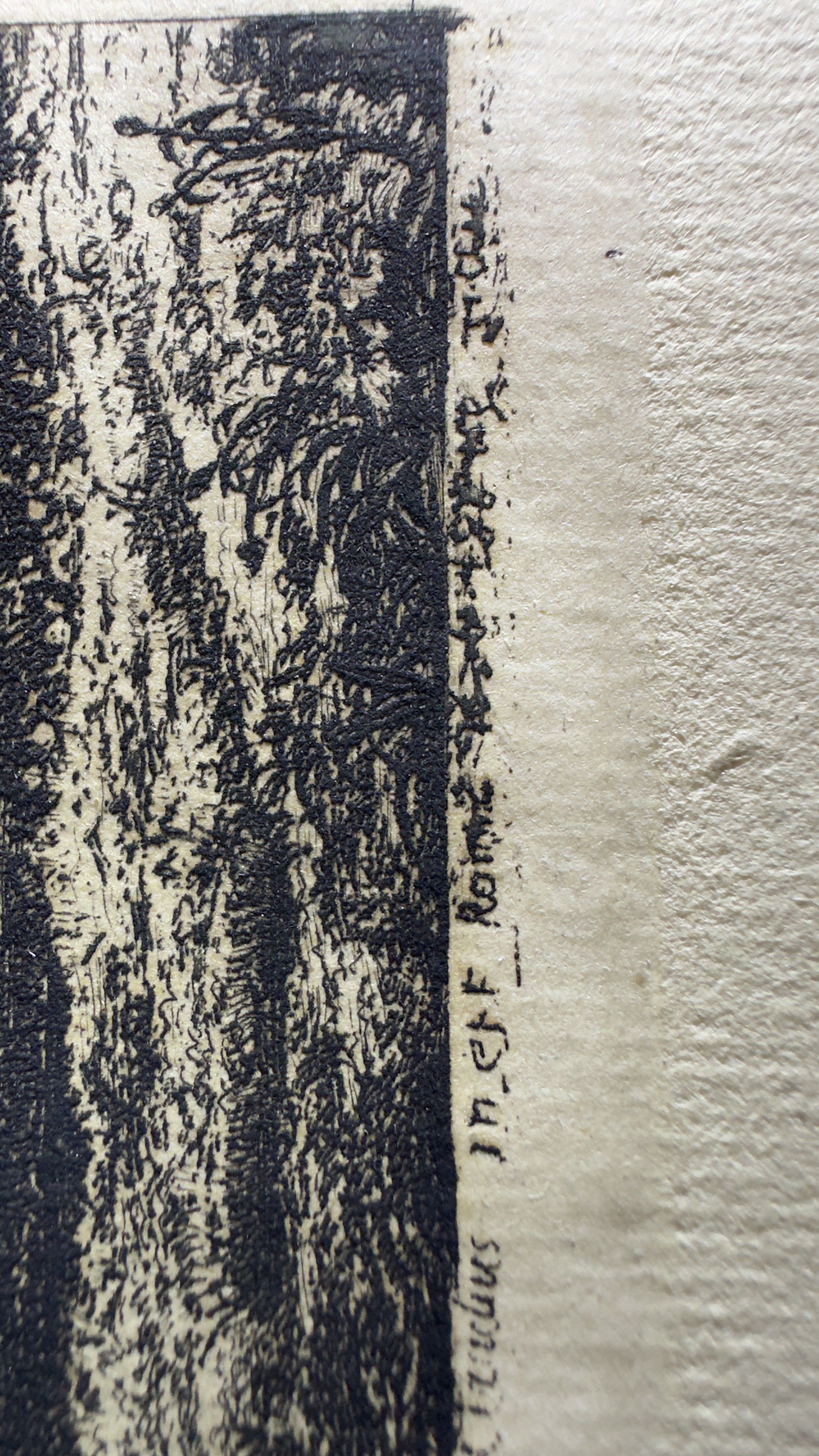
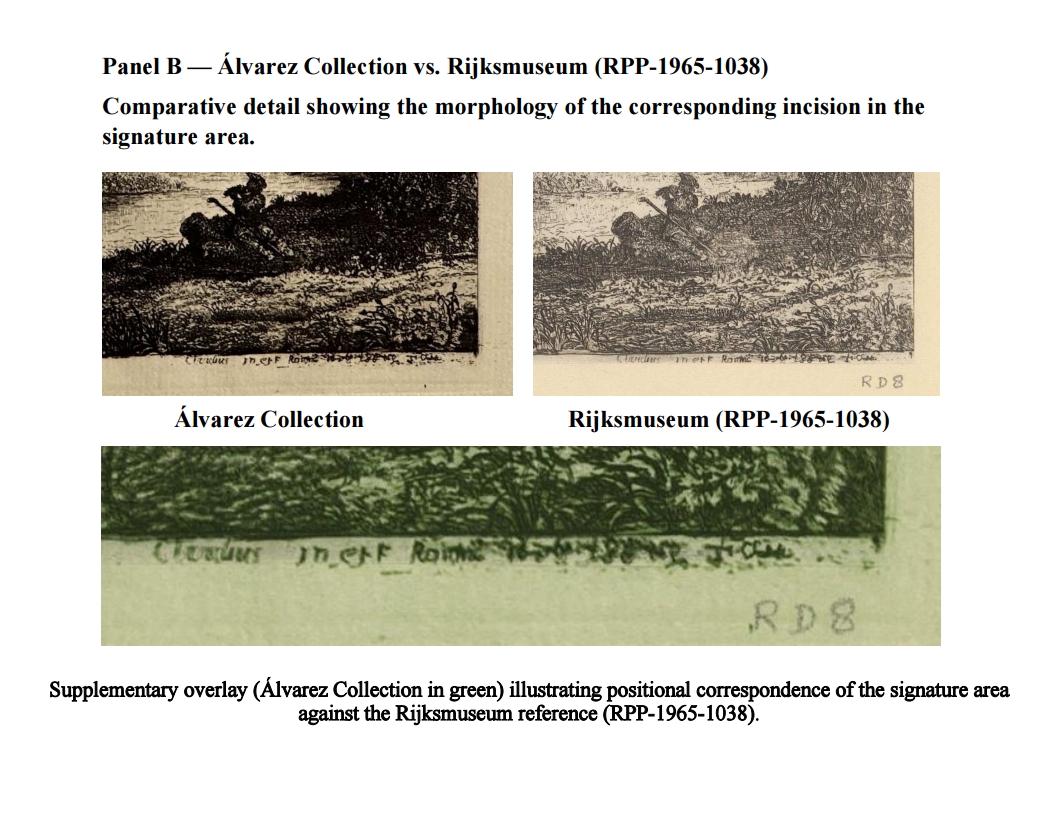
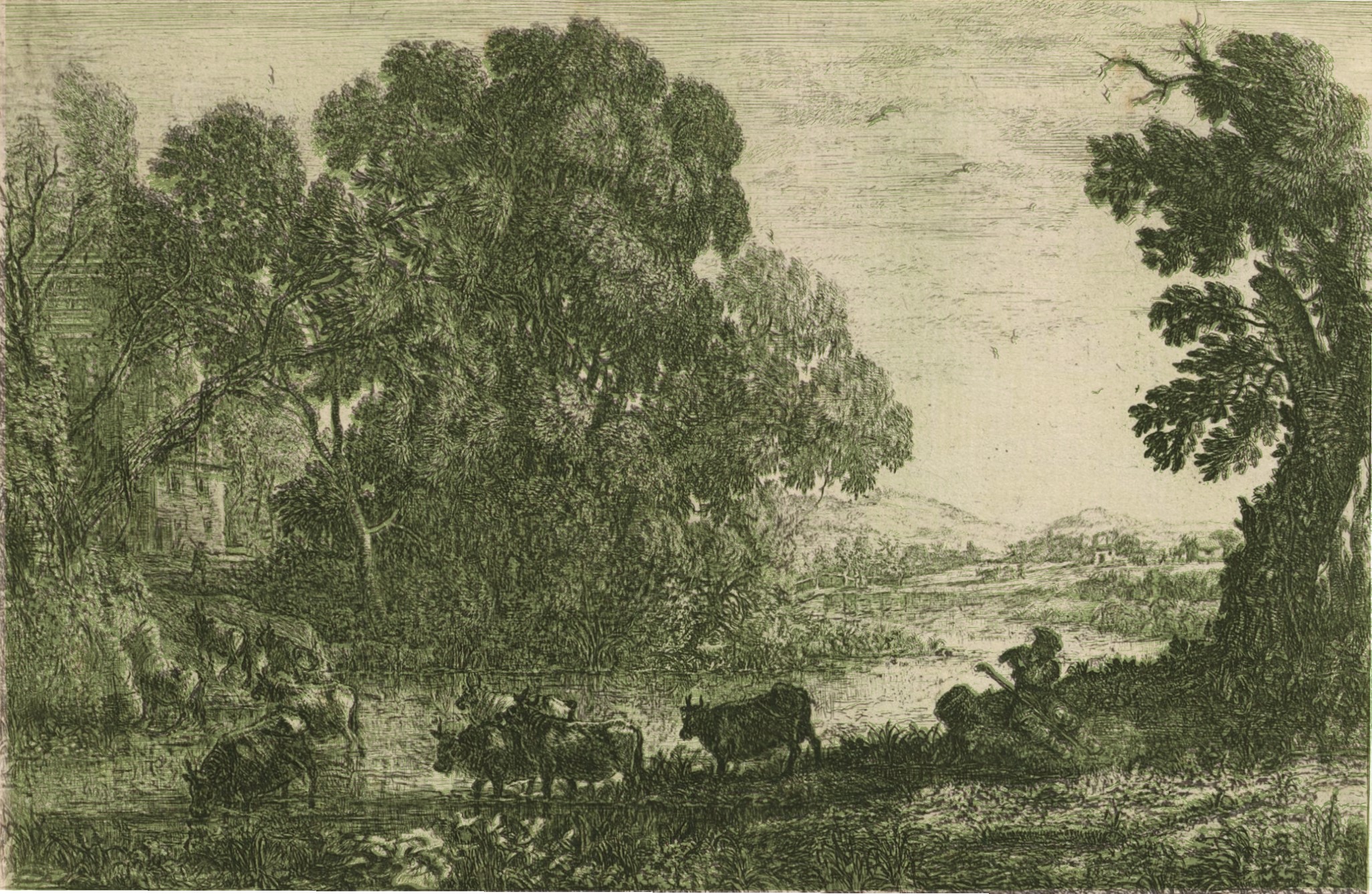
Original intaglio print on seventeenth-century Dutch laid paper bearing a complete Fortuna watermark. The sheet preserves localized residual burr in select incised lines, especially in the signature and arboreal passages—features highly consistent with an early printing phase within the active life of the plate. Plate and sheet dimensions correspond exactly to the institutional reference, verified through direct structural overlay comparison. The ink is rich, the platemark is complete, and the margins remain intact, with no evidence of restoration or washing. Overall condition is excellent and consistent with the documented early state (Mannocci 18.I).
Technical verification of matrix identity through controlled overlay comparison with institutional references, and chronological/material validation of the paper support through transmitted-light analysis of watermark and laid structure, complemented by macro and microscopy-based evaluation of line morphology, ink–fiber interaction, and residual micro-relief.
This section summarizes the physical condition and technical profile of the work based on direct material observation.
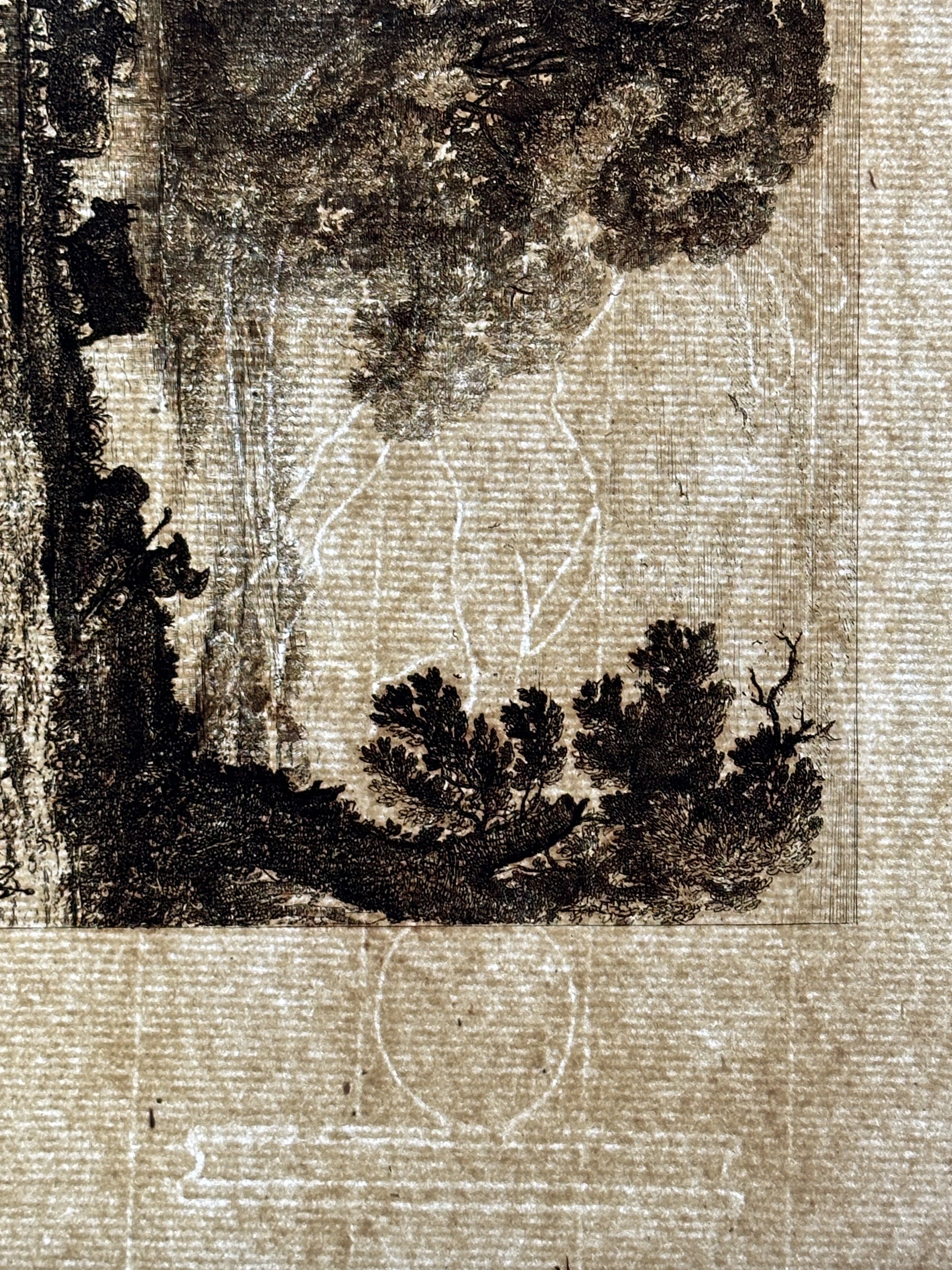
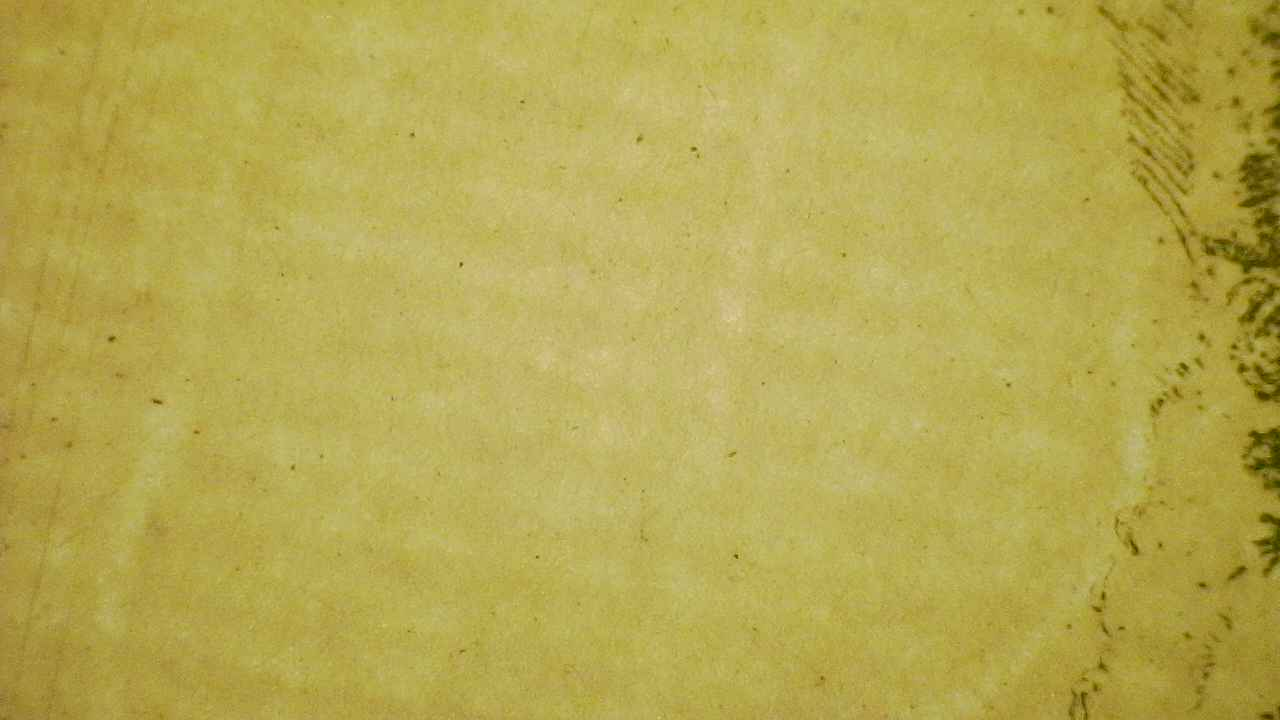
Transmitted light analysis documents a complete central watermark of Fortuna on laid paper, with a line spacing of 27–30 mm, consistent with 17th-century Dutch production. The coexistence of a fully preserved watermark and a localized residual burr supports chronological and material consistency within the context of Claude Lorrain's work in Rome in the mid-1630s.
I. Fortuna watermark (complete)
The watermark is centrally placed and fully preserved. Morphological features include a pedestal and globe, a female figure in motion, and a raised veil or cloth—constructed in complex wirework typical of seventeenth-century papermaking.
II. Laid structure
The laid structure is consistent with handmade rag paper, with a documented line spacing of 27–30 mm.
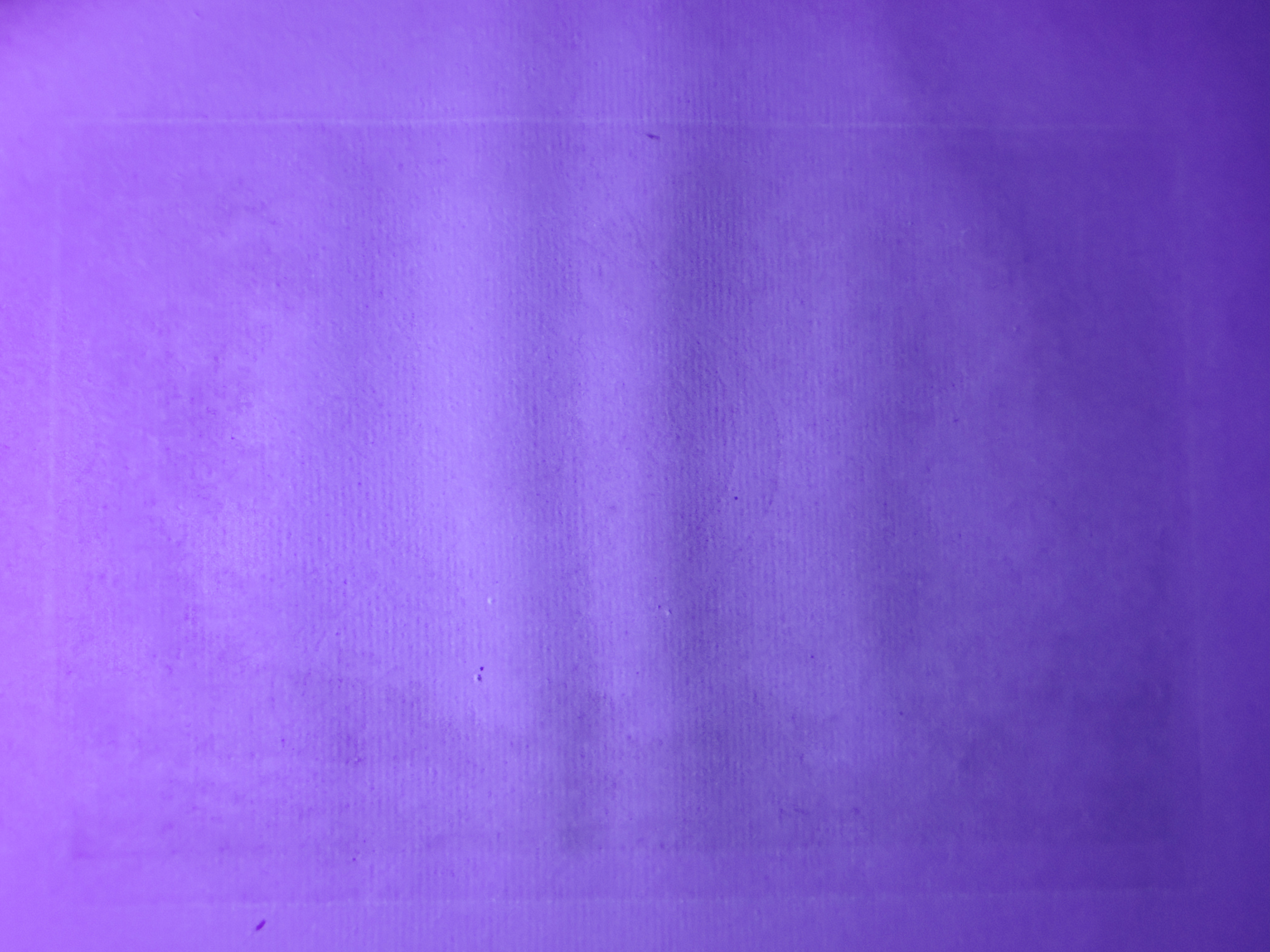
III. Reverse under ultraviolet illumination (low intensity)
The paper exhibits a homogeneous fluorescence consistent with historic rag paper. No localized fluorescence anomalies are observed that would indicate modern optical brighteners, adhesives, patches, or later restoration.
The platemark appears as a continuous zone of altered fiber density, consistent with mechanical pressure from intaglio printing.
Associated visual evidence (support set)
The burr observed in Le Bouvier does not represent an intentionally expressive strategy, but rather fragile remnants of the original intaglio process preserved in exceptional condition. In Claude Lorrain’s practice, plates are typically carefully polished, burin work is controlled, biting is clean, and rolling-press pressure is moderate. In this technical context, any observable burr is best understood as residual, and its preservation functions as a sensitive indicator of printing moment within the active life of the plate.
Identifiable technical phenomena
Burr is one of the most fragile microstructures produced by a copper plate: it begins to diminish after only a small number of impressions and continues to degrade even during storage due to oxidation and micro-relief collapse (Stijnman 2012, p. 145). The localized persistence observed here suggests an early printing phase and optimal inking/pressure conditions capable of preserving micro-relief.
The grooves remain open and legible even in areas of high tonal density, indicating minimal plate wear and a printing phase within the active life of the copper plate. This structural clarity is fully consistent with Claude Lorrain’s controlled landscape engraving practice and is incompatible with later reprints, where line collapse and tonal flattening are typically observed.
A light, controlled plate tone is present across the figures and pedestal, contributing to volumetric modelling while remaining consistent with seventeenth-century intaglio printing practice. No excessive burr or tonal collapse is observed, indicating a well-preserved plate and an early phase of printing within the active life of the copper matrix.
The clarity of individual strokes within dense tonal passages indicates minimal plate wear and confirms printing during an early phase of the active life of the copper plate. This level of preservation is incompatible with later reprints or mechanically reproduced impressions.
Together, these observations demonstrate full material coherence between groove, ink, paper fibers, and press pressure, while the overlay comparison confirms structural identity with the institutional reference. No indicators of modern photomechanical reproduction are observed. The preservation of localized residual burr and intact support features is highly consistent with an early printing phase within the active life of the plate.
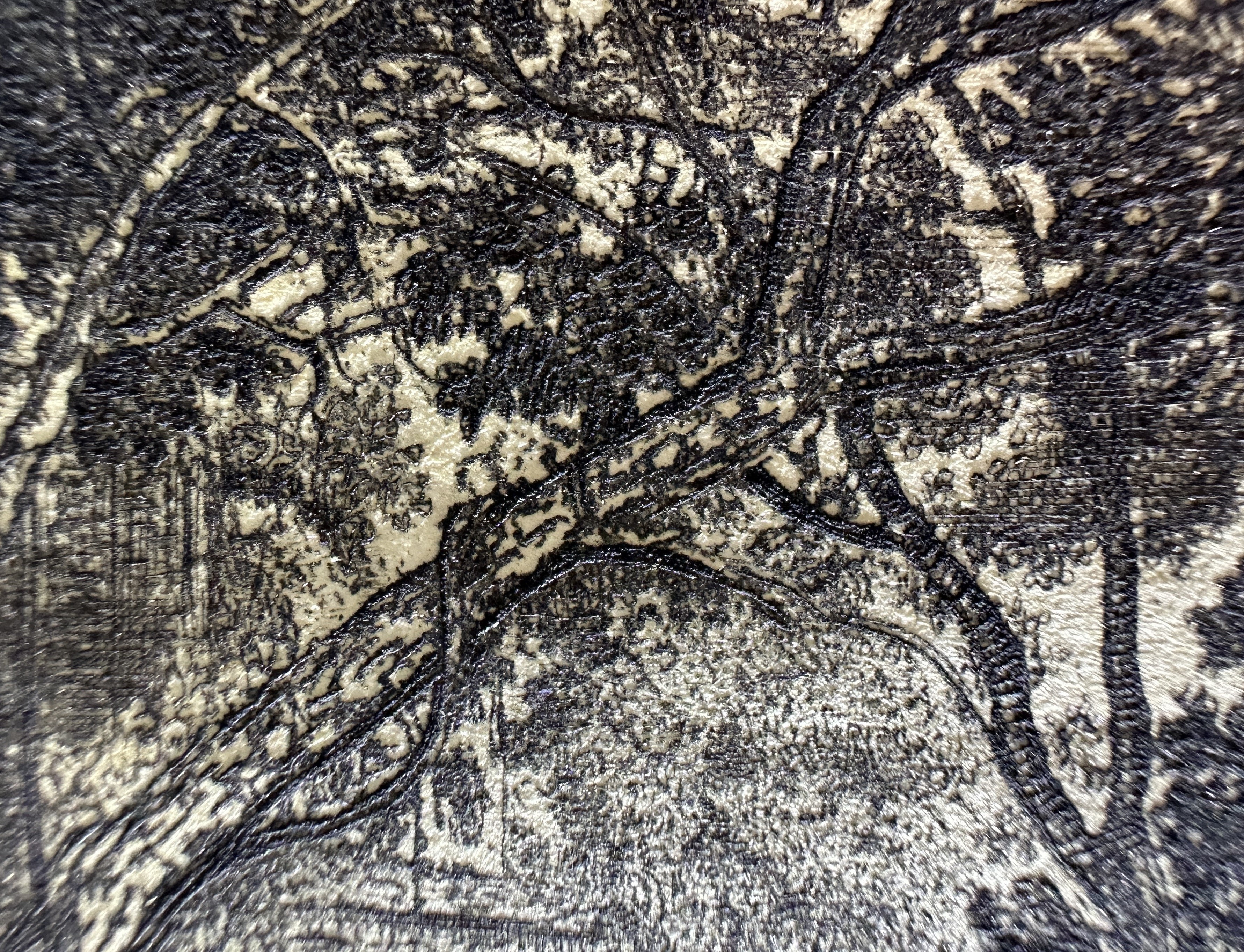
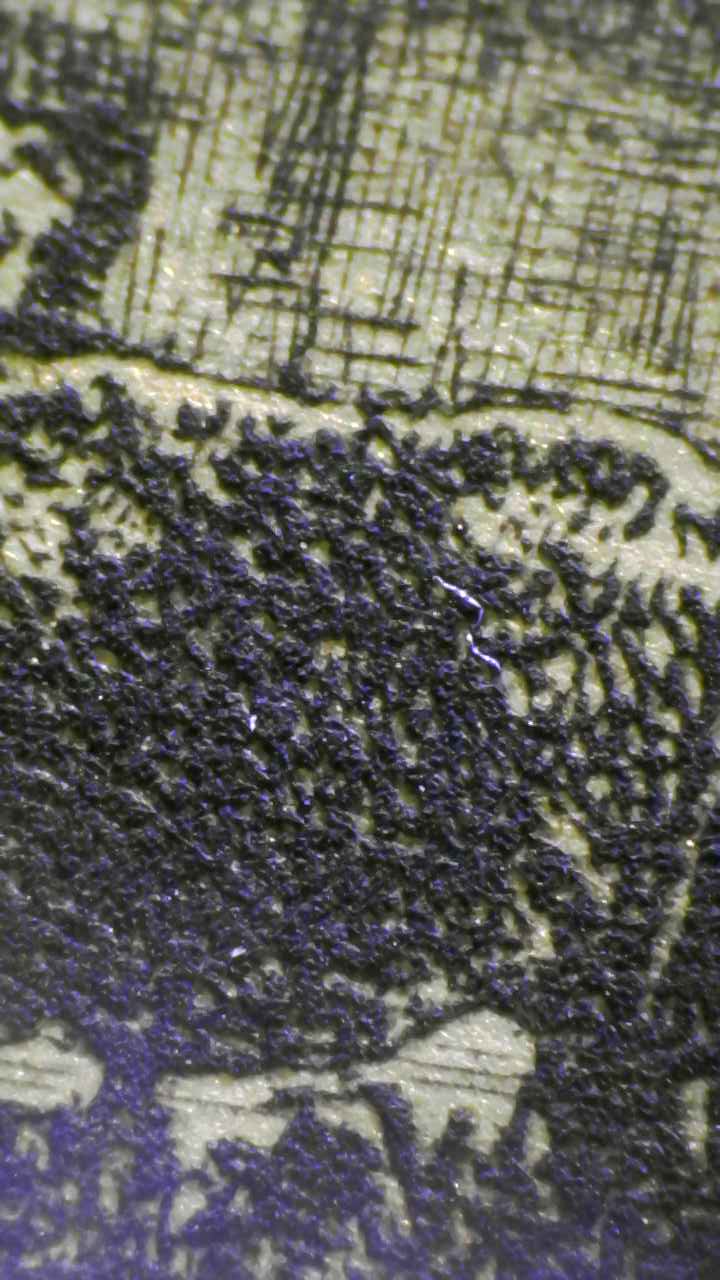
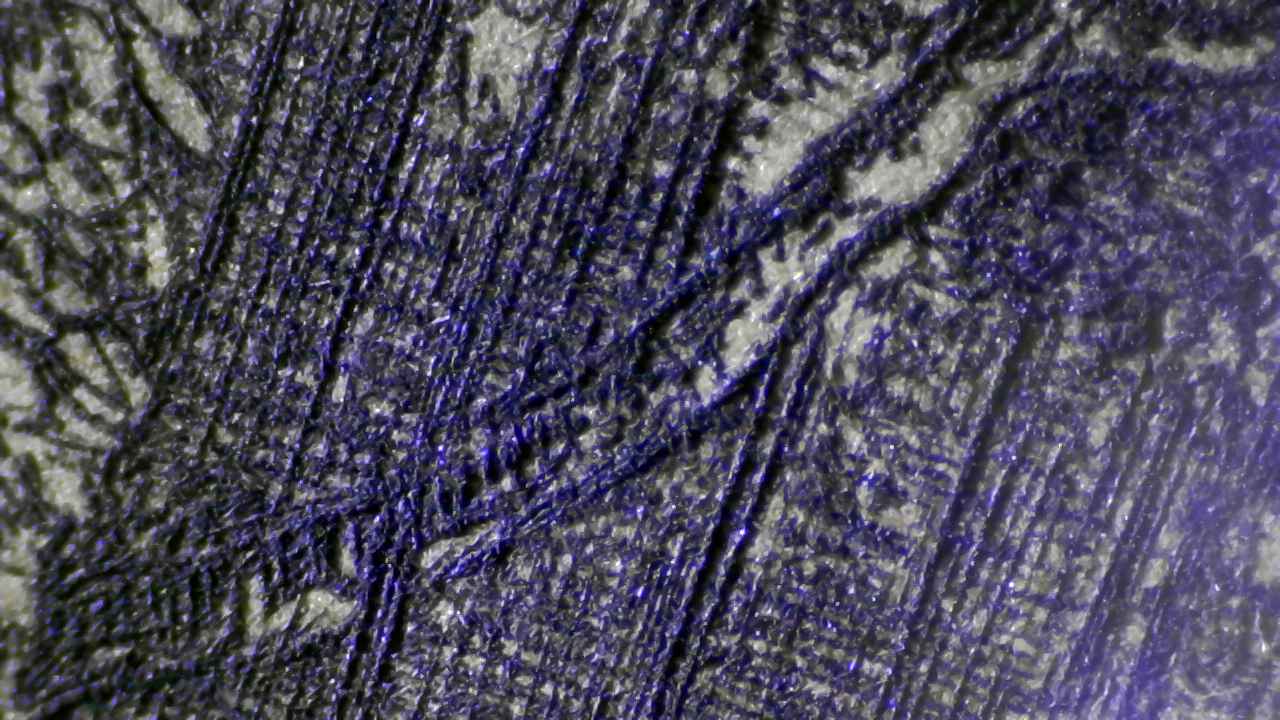
Microscopic examination confirms a seventeenth-century manual intaglio process consistent with Claude Lorrain’s technical practice. Under medium and high magnification, the engraved lines display a well-defined “V” groove geometry, active irregular edges without mechanical rounding, and organic variation in width and depth. Ink shows real integration into rag paper fibers, with pigment accumulation in the groove and controlled diffusion toward the edges. No photomechanical grain, halftone screen, or industrial regularity is observed.
Localized residual micro-burr is detectable along select incisive lines, and raking-light microscopy reveals preserved micro-relief. The combination of active groove structure, ink–fiber integration, residual burr, and total absence of mechanical artifacts constitutes strong material evidence supporting an early printing phase within the active life of the plate.
The microscopic examination demonstrates a fully physical, mechanically incised printing process.
Across all examined areas, the engraved lines exhibit V-shaped groove geometry, localized residual micro-burr, and continuous edge relief visible under oblique illumination. Ink penetration follows the paper fiber structure, with pigment embedded within the groove walls and diffusing organically into the rag paper matrix.
No evidence of halftone screening, photograin, or planar ink deposition is observed. The combined presence of fragile micro-burr remnants, fiber-level ink interaction and active lines edges is consistent with early manual copperplate printing.
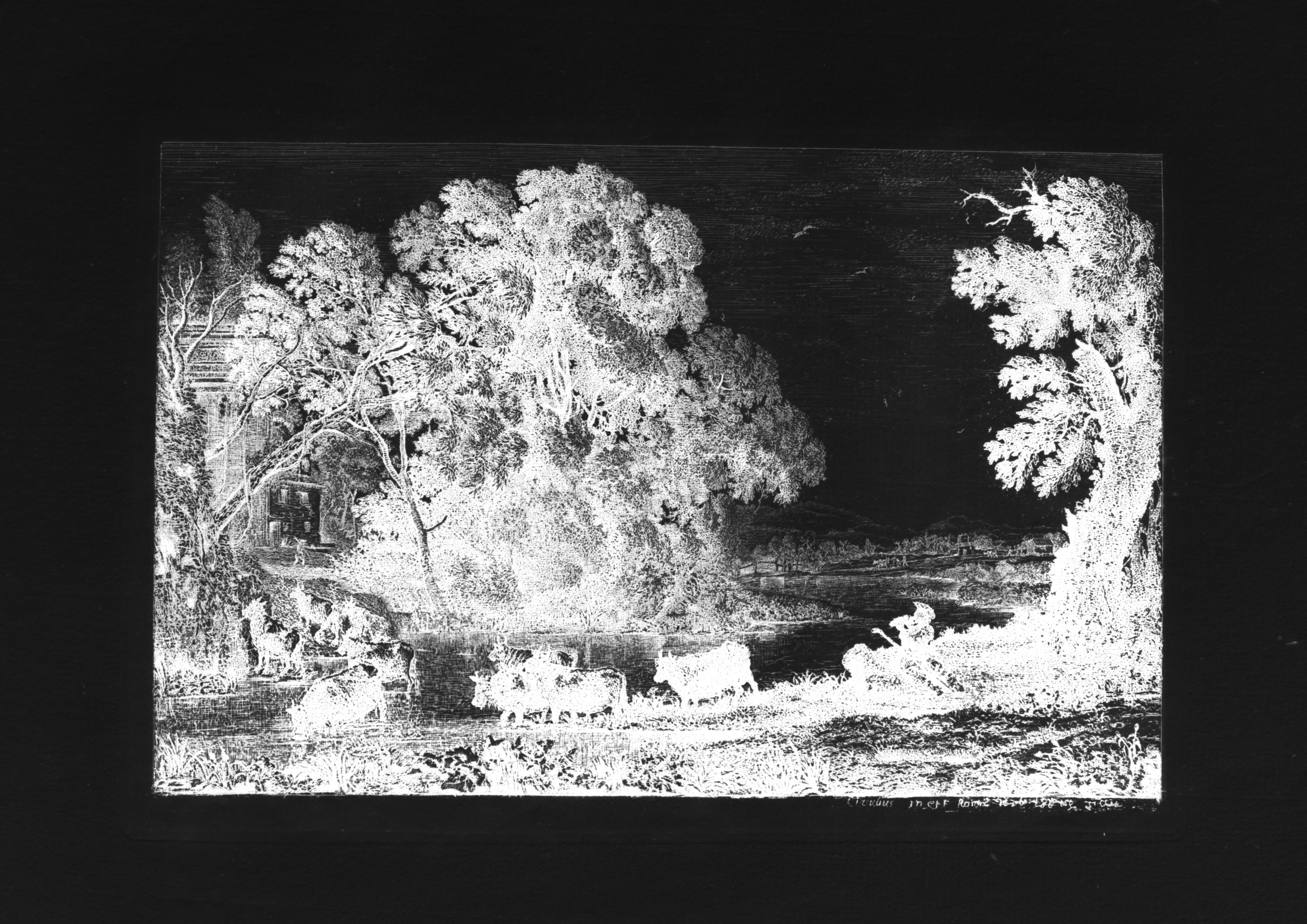
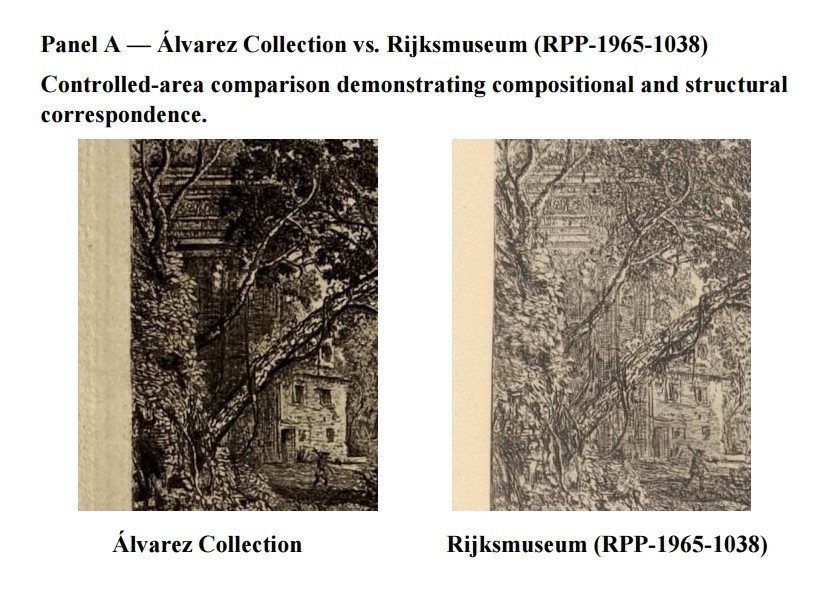
A direct digital overlay was performed between the Álvarez impression and the institutional reference held at the British Museum, using uniform proportional scaling and alignment by structural axes (horizon line, arboreal masses, primary figures, and plate outline). No deformations, optical warps, or interpretive adjustments were applied.
The overlay confirms structural identity of the matrix: the plate outline and internal proportional relationships match precisely. Observable differences are limited to inking intensity, pressure effects, and preservation of micro-relief—variations expected between authentic impressions printed at different moments within a plate’s active life.
This difference is documented visually and may reflect variation in inking, pressure, or moment within the same plate state. No interpretative conclusion is imposed.
The print was transmitted from generation to generation, remaining within the same family. Its state of preservation suggests minimal historical handling: it was stored for decades in a protected environment, away from direct light and damaging humidity fluctuations. It is likely that the print has been handled far less during the past one hundred years than during the recent technical examination conducted under microscopy, raking light, and transmitted-light watermark analysis.
This continuity of private custody—without recorded sales, auction appearances, or dealer interventions—helps explain the exceptional condition of the sheet and the survival of fragile physical features often lost in circulating impressions, including residual micro-relief, intact margins, and a fully preserved watermark.
Provenance therefore supports attribution not only through lineage, but through material coherence: every aspect of the sheet’s condition aligns with an impression that has remained intact and undisturbed since the seventeenth century.
Briquet, Charles-Moïse. Les Filigranes: Dictionnaire Historique des Marques du Papier. Geneva: Droz, 1907.
Stijnman, Ad. Engraving and Etching 1400–2000: A History of the Development of Manual Intaglio Printmaking Processes. HES & De Graaf, 2012.
Used here for the physical fragility and degradation of copper burr (see p. 145).
Ash, Nancy & Fletcher, Shelley. Watermarks in Rembrandt’s Prints. National Gallery of Art, Washington, 1998.
Cited as a key technical reference for Fortuna watermark typologies in seventeenth-century print contexts.
Rembrandt WIRE Project (Cornell University). Ongoing digital watermark imaging and census research.
Referenced here for comparative framework on watermark documentation practices (methodological context).
British Museum Collection Online. “Claude Lorrain, Le Bouvier (1636).” Museum number: 1873,0809.2155.
Hermitage Museum. Watermark Archive, Dutch Papers (17th century).
High-resolution files, complete macro-photography sets, and the internal technical dossier for the Álvarez impression of Le Bouvier are available to researchers upon request. Comparative video-microscopy sessions can also be arranged for institutions interested in examining in detail the physical features associated with early phases of plate use.
All observations presented on this page are based on direct examination of the private impression and on published images from institutional collections. Attribution, dating, and official terminology remain open to academic discussion and are offered here as a contribution to ongoing research on Claude Lorrain’s prints.
For inquiries, image permissions, or collaborative research projects, please use the contact form on the main website or write to:
susana123.sd@gmail.com
fineartoldmasters9919@gmail.com
susana@alvarezart.info
Phone: +1 786 554 2925 / +1 305 690 2148
Álvarez Collection Verification Record #AC-CL-240-2025