A worn out horse and a dead horse — Paulus Potter
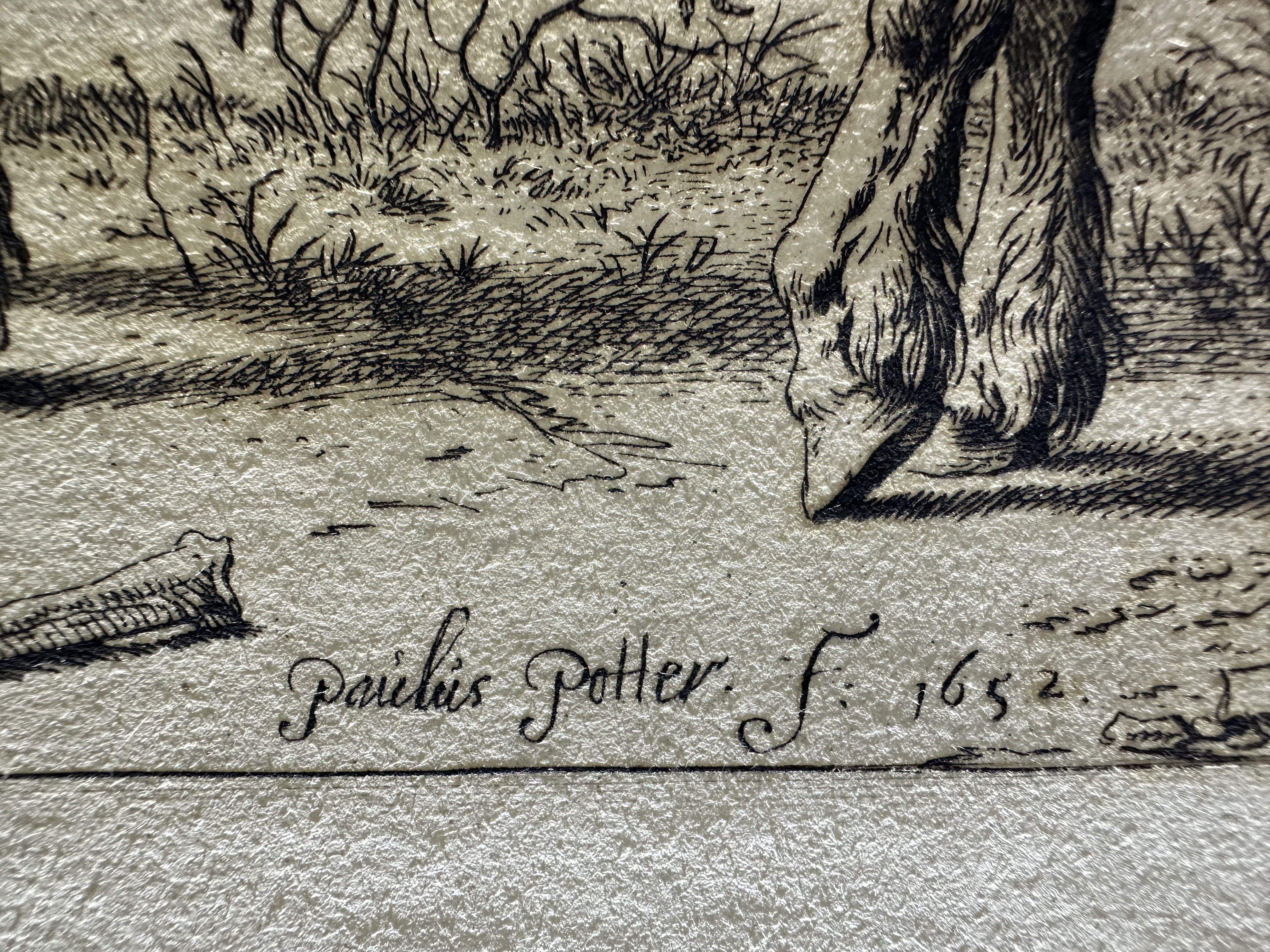
This impression presents a clear and stable material reading. The definition of the line, the relief visible under magnification, and the coherence of the platemark allow a direct understanding of the plate work and the quality of the pull, without relying on interpretive claims.
TECHNICAL DATA
- File ID
- AC-PP-238-REV-2025
- Artist
- Paulus Potter (1625–1654)
- Title
- The Worn-Out Horse,(La Mazette),from Series of Horses
- Date of Execution
- c. 1652
- Technique / Materiality
- Etching on ivory laid paper.
- Dimensions
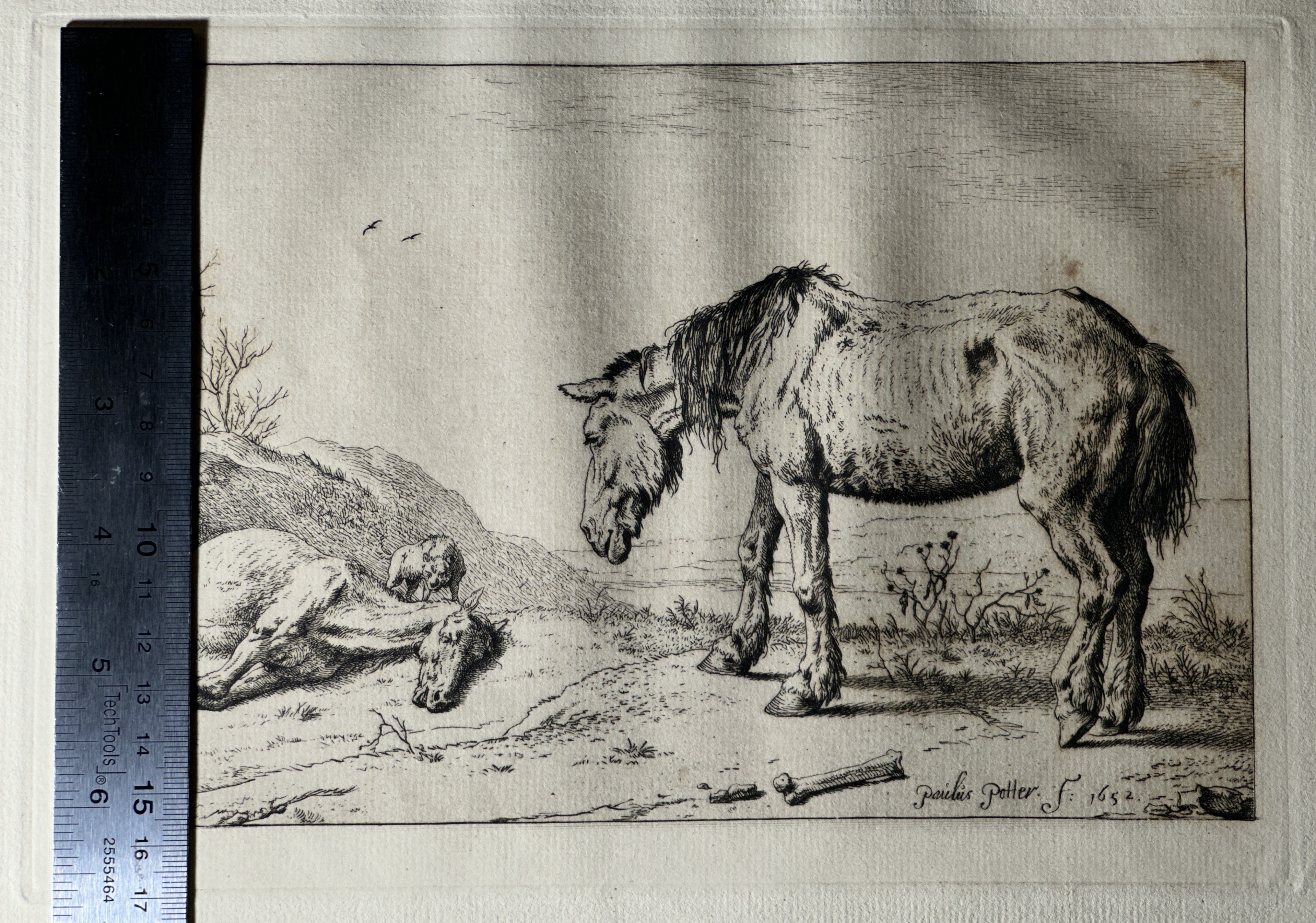
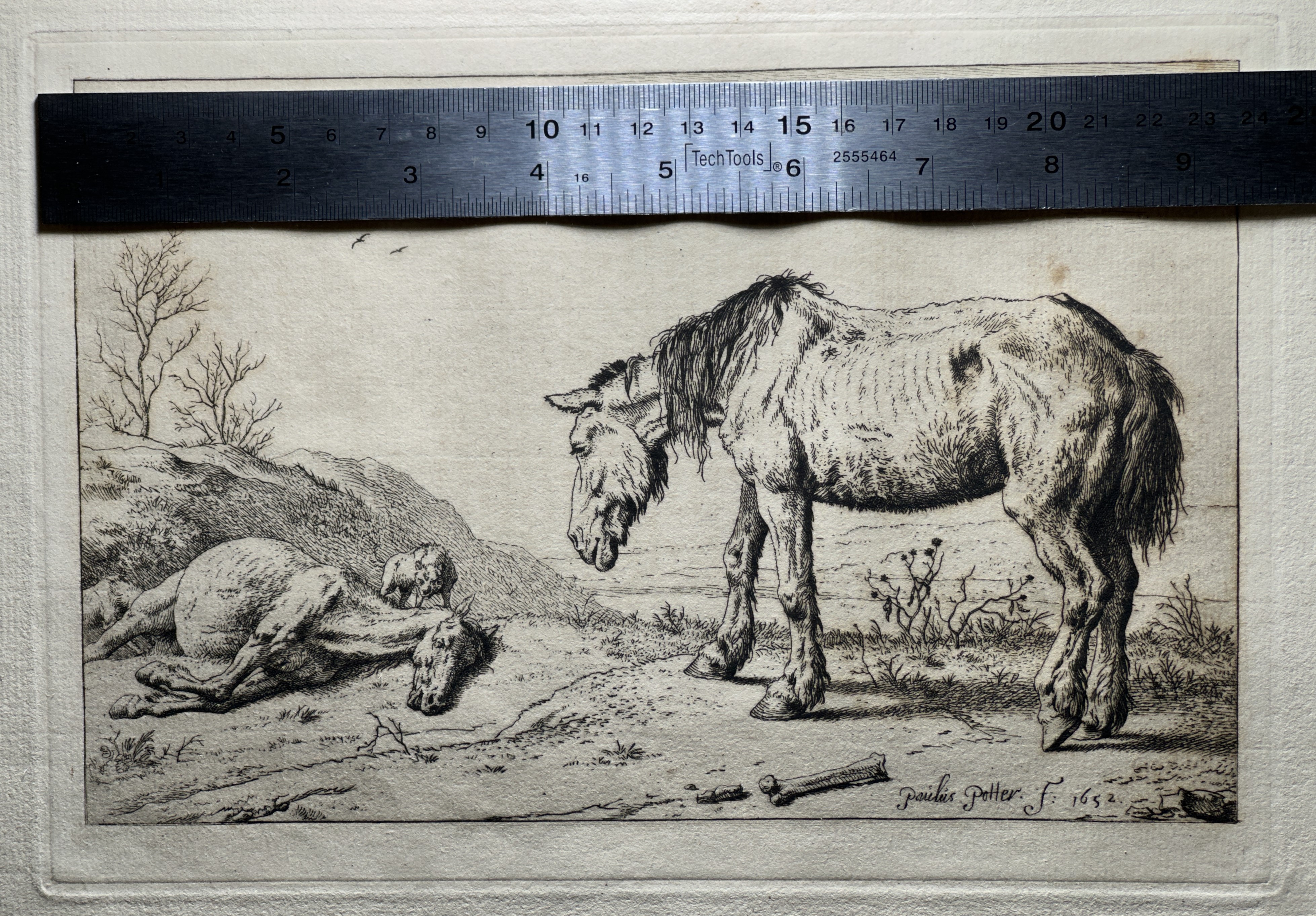
- Height 165 mm × Width 246 mm
- Sheet Dimensions
- Height 245 mm x Width 320 mm
- Sheet Weight
- 9 grams
- Collection
- The Álvarez Collection (Miami)
- Provenance
- Private family collection, preserved over generations
Research Objective
Technical certification of the integrity of the original copper matrix and chronological validation of the paper support through digital metrology, comparative overlay analysis, and observation of organic degradation phenomena.
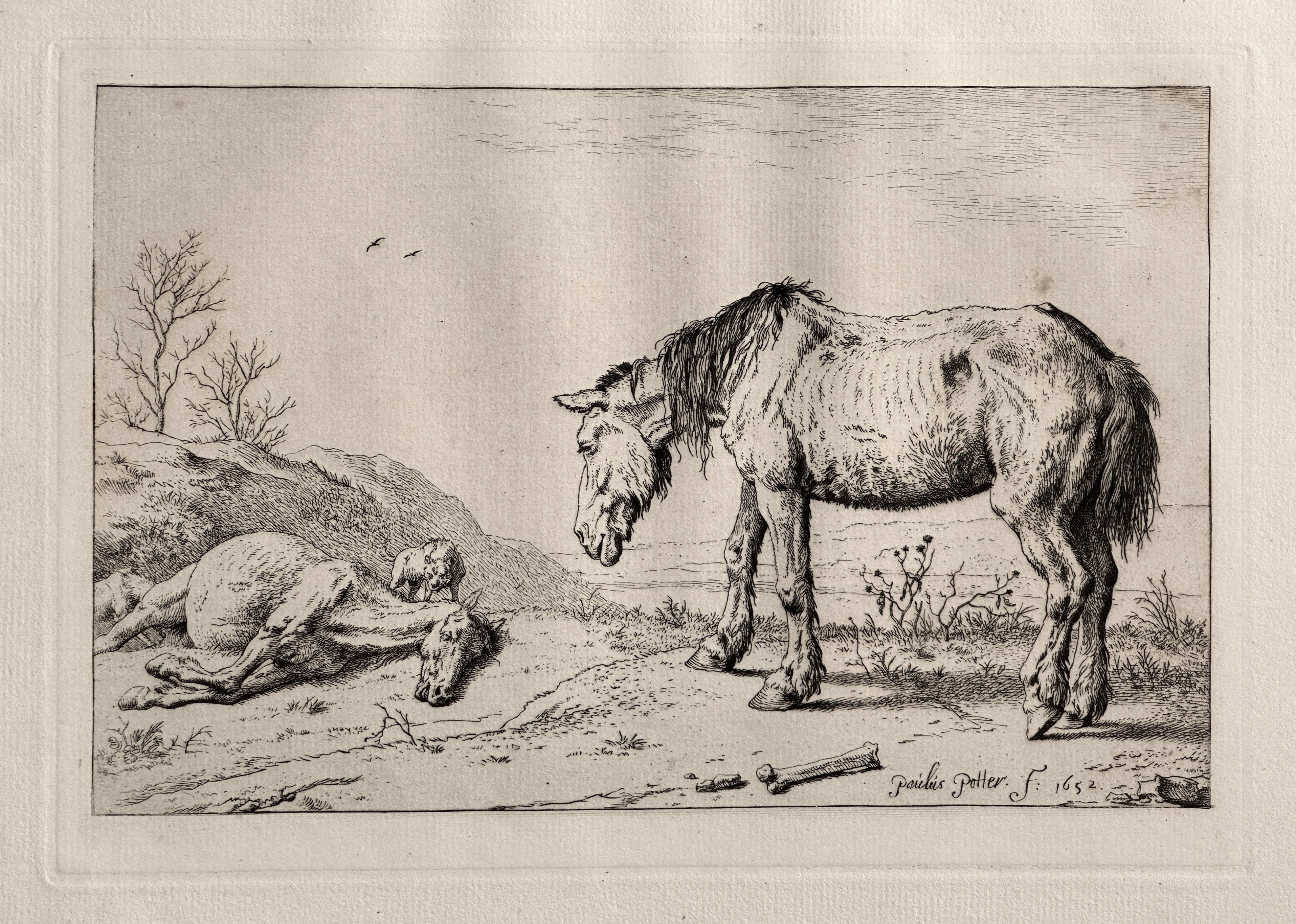
Overall view of the impression showing the complete composition, tonal balance, and preserved margins.
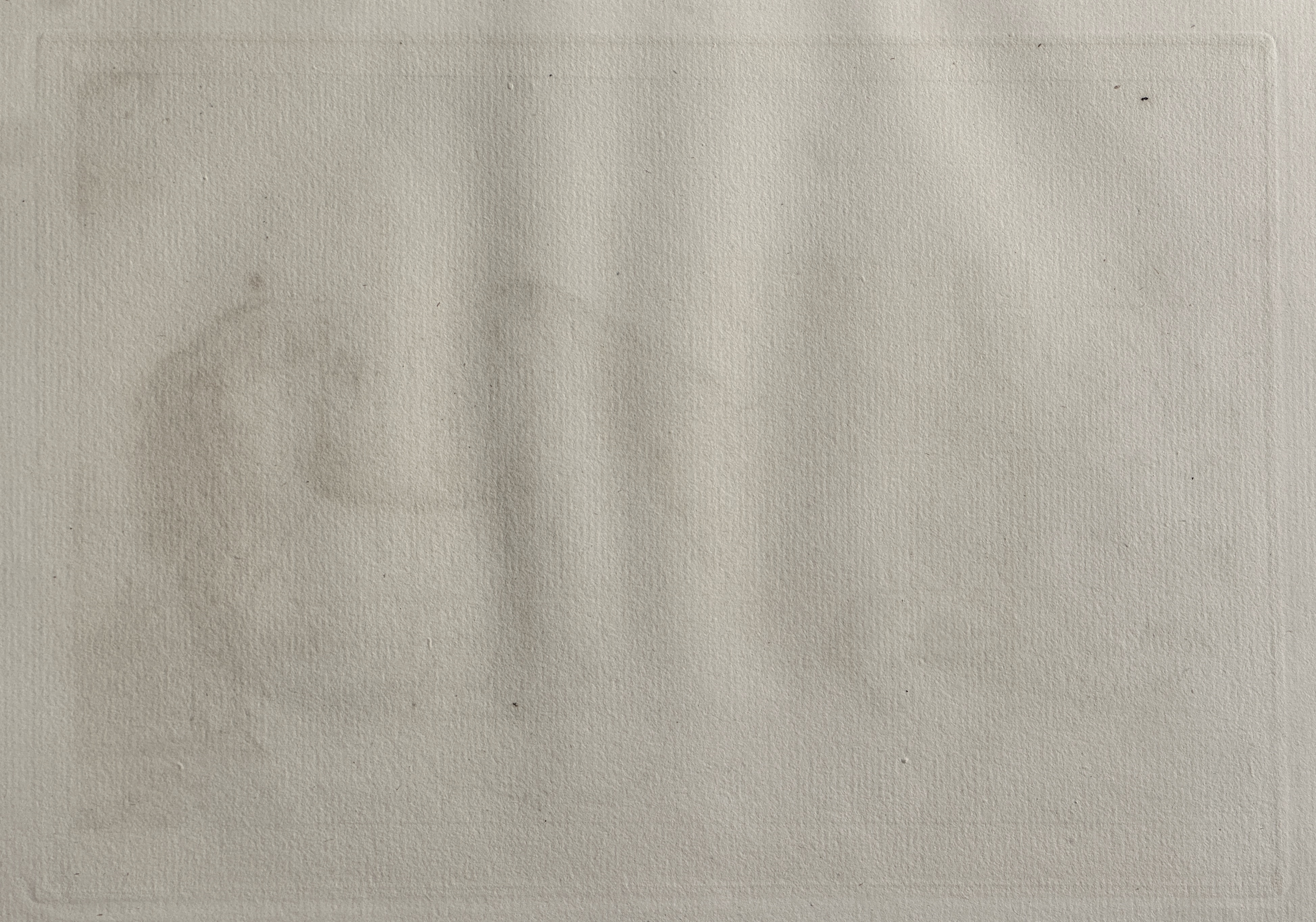
Reverse of the sheet under transmitted light, revealing the paper structure, chain lines, and evidence of press pressure corresponding to the original plate.
Paper Analysis and Countermark (PvL.a) The impression is struck on a high-quality laid paper bearing a Van der Ley (PvL.a) countermark, clearly visible under transmitted light. While standard repertoires often catalog registered PvL variants starting in 1670, this study adopts the more nuanced chronological framework established by Erik Hinterding.
Hinterding’s research demonstrates that the actual use of Van der Ley paper in Dutch workshops frequently preceded its formal registration in tax or trade records; thus, the absence of a pre-1670 catalog entry does not preclude the paper's availability during the artist’s lifetime. In this specific sheet, the material evidence takes precedence over nominal catalog dating: Ink-Paper Interaction: The countermark is fully integrated within the paper matrix, showing a uniform distribution of pulp that confirms the sheet is original and unaltered. Evidence of an Early Pull: The support exhibits the hallmarks of a primary impression, including high-relief ink retention and a deep, continuous platemark—physical traits that are technically incompatible with the worn-plate reprints of the late 17th or 18th centuries. Structural Coherence: The presence of intact deckle edges and the lack of advanced copper wear (visible in the delicate hatching of the horse’s anatomy) confirm that this paper was selected for a fresh, high-pressure pull from the original 1652 plate. Conclusion on Support: The combination of Hinterding’s chronological flexibility regarding Van der Ley paper and the exceptional physical state of the impression confirms an early production context, consistent with the plate’s mid-17th-century origin.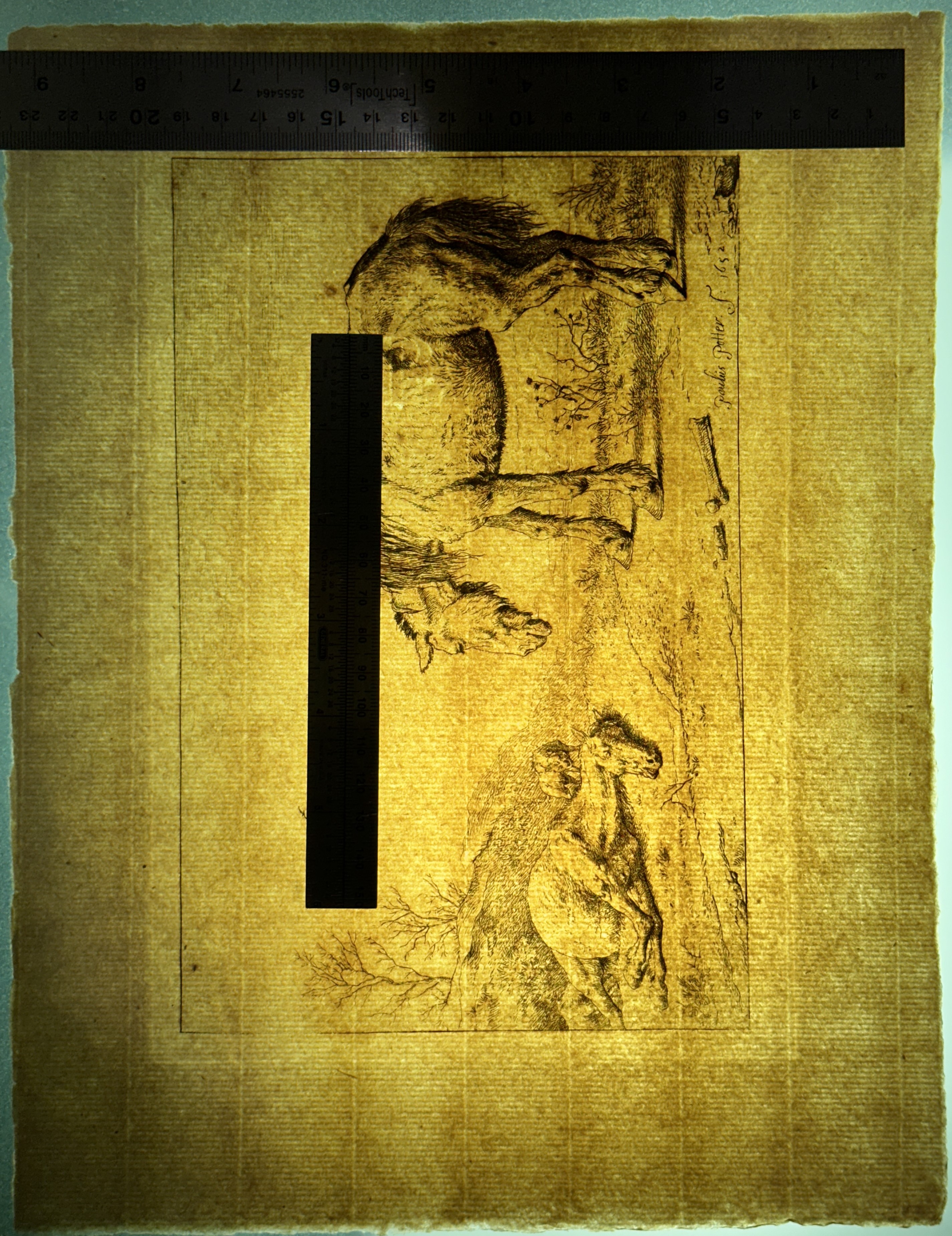
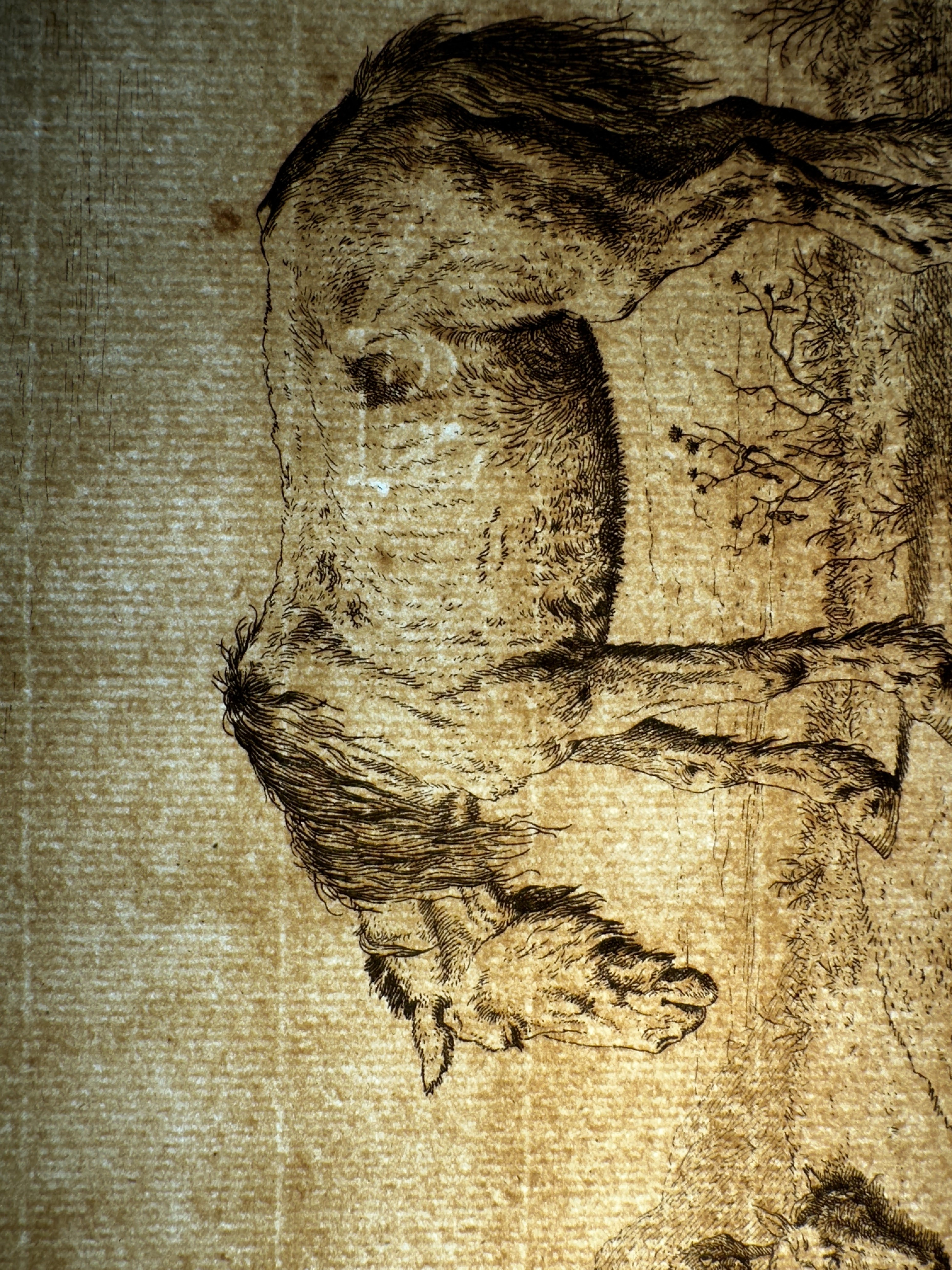

The platemark is continuous and well-defined. Its reading is consistent across the corners and in the central zone, indicating uniform pressure and controlled contact between plate and paper during printing.

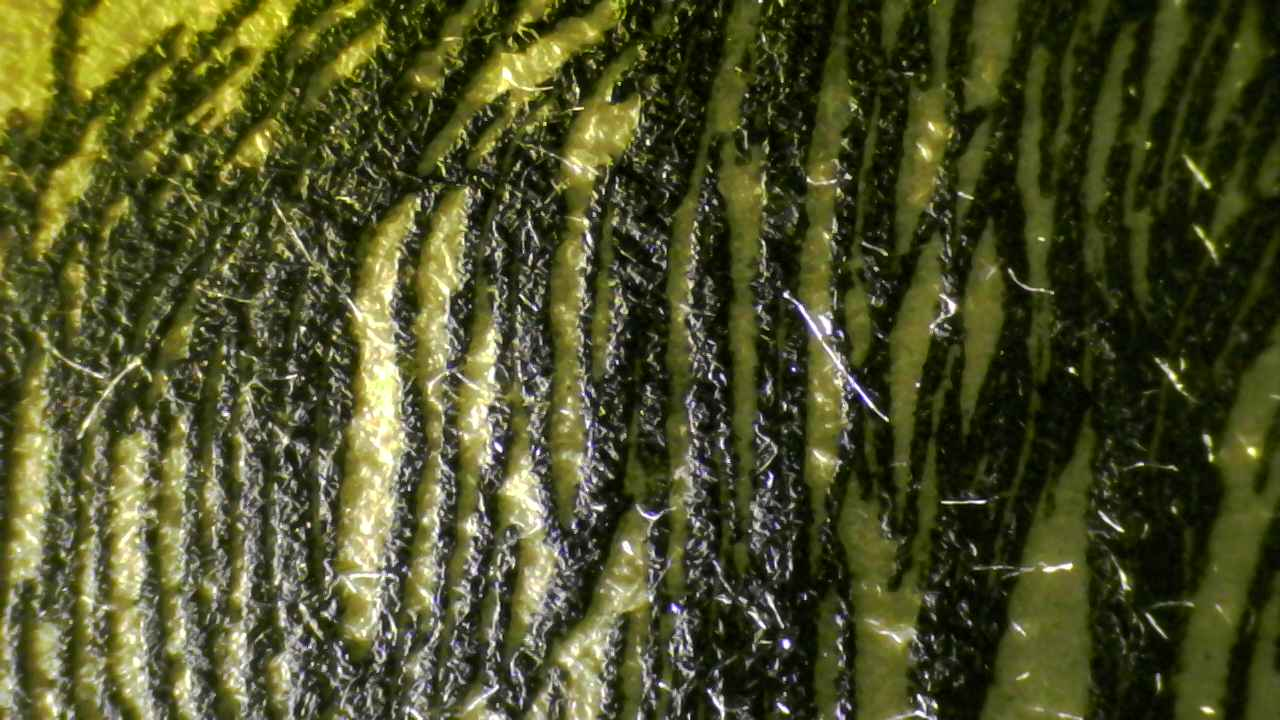
The images in this section focus on areas where plate wear would be expected. Under magnification, the lines preserve continuity, edge retention, and perceptible physical relief. Line stability remains evident even in sensitive density transitions, allowing the plate to be read with clarity.

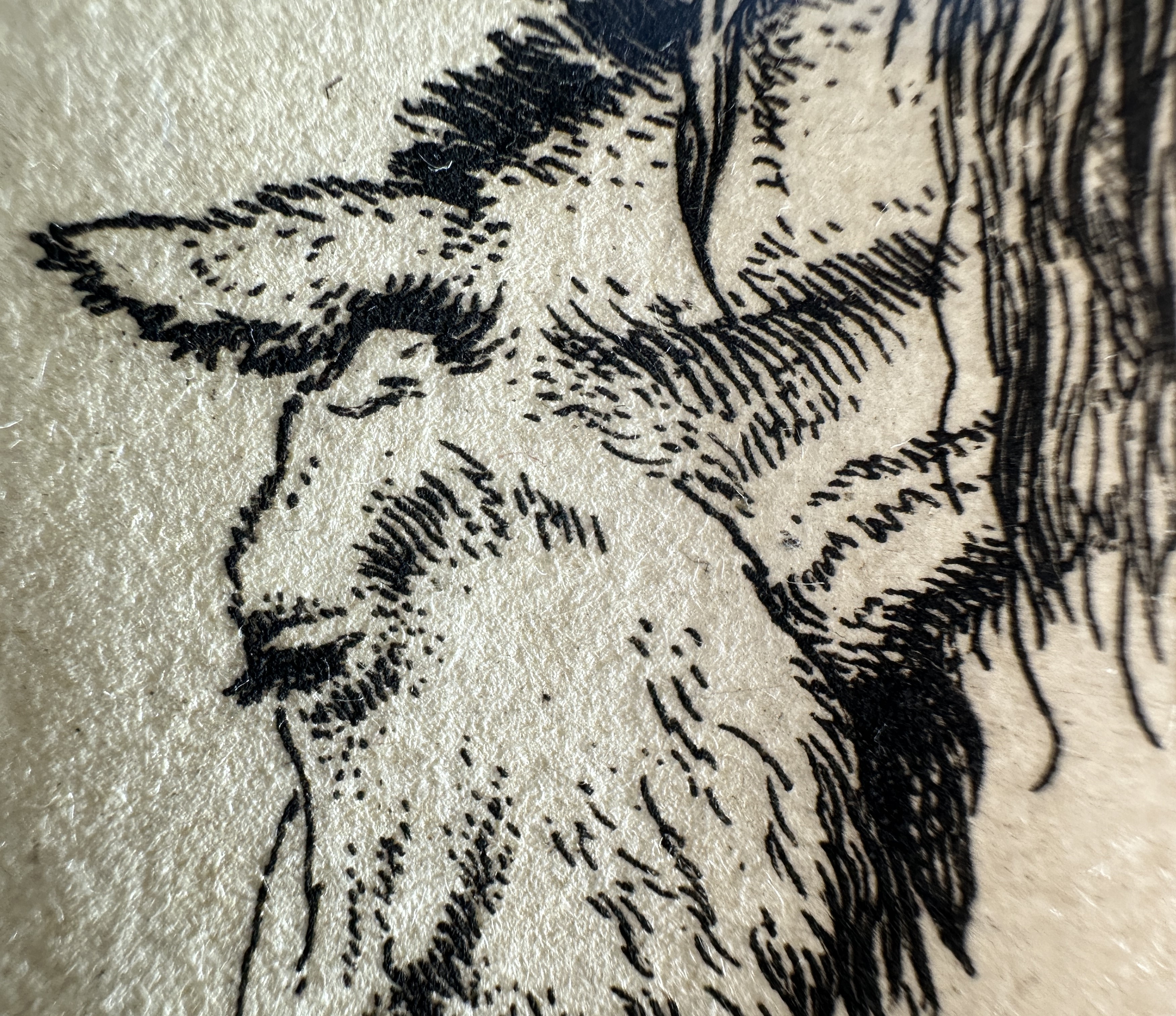
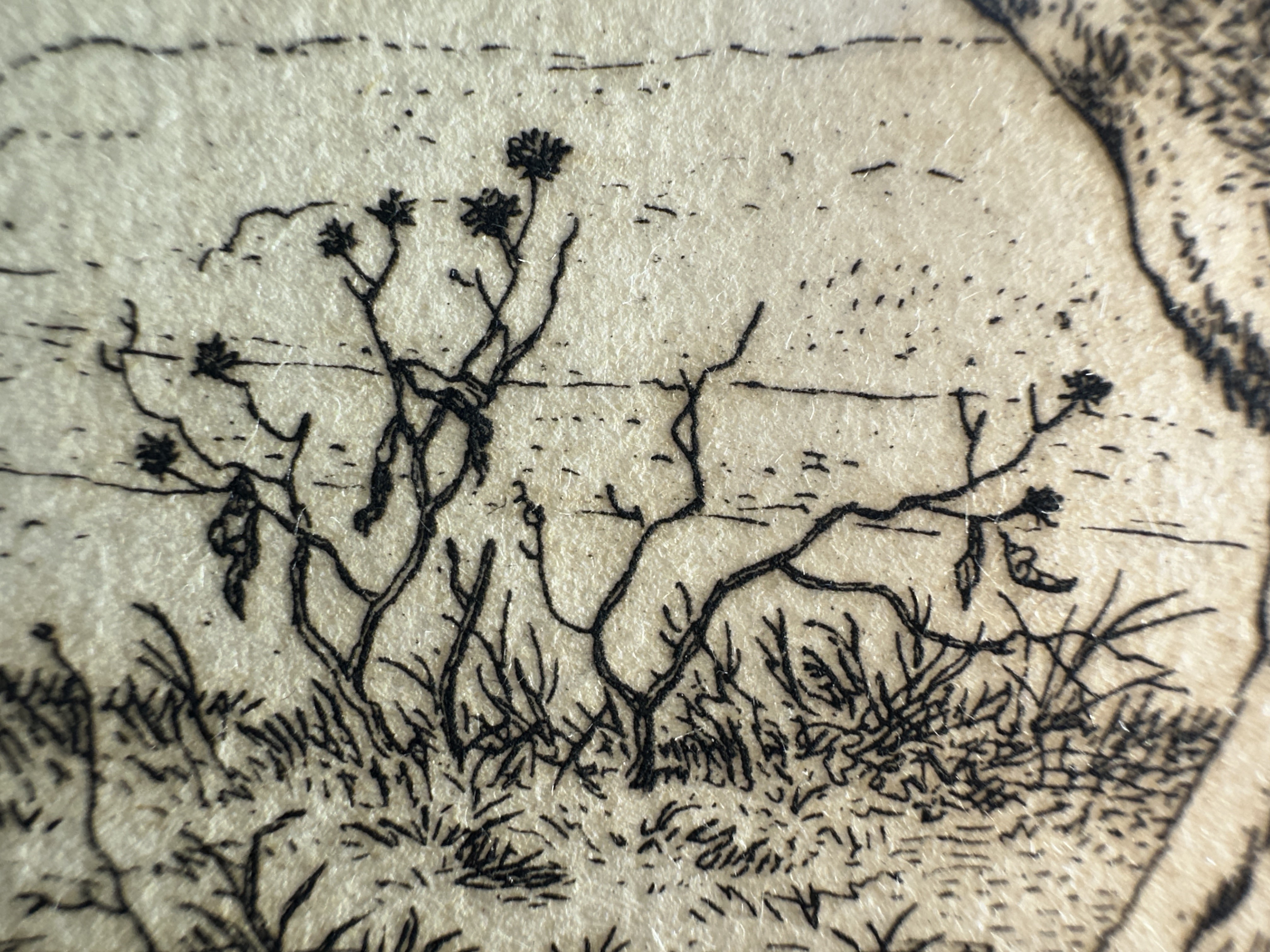

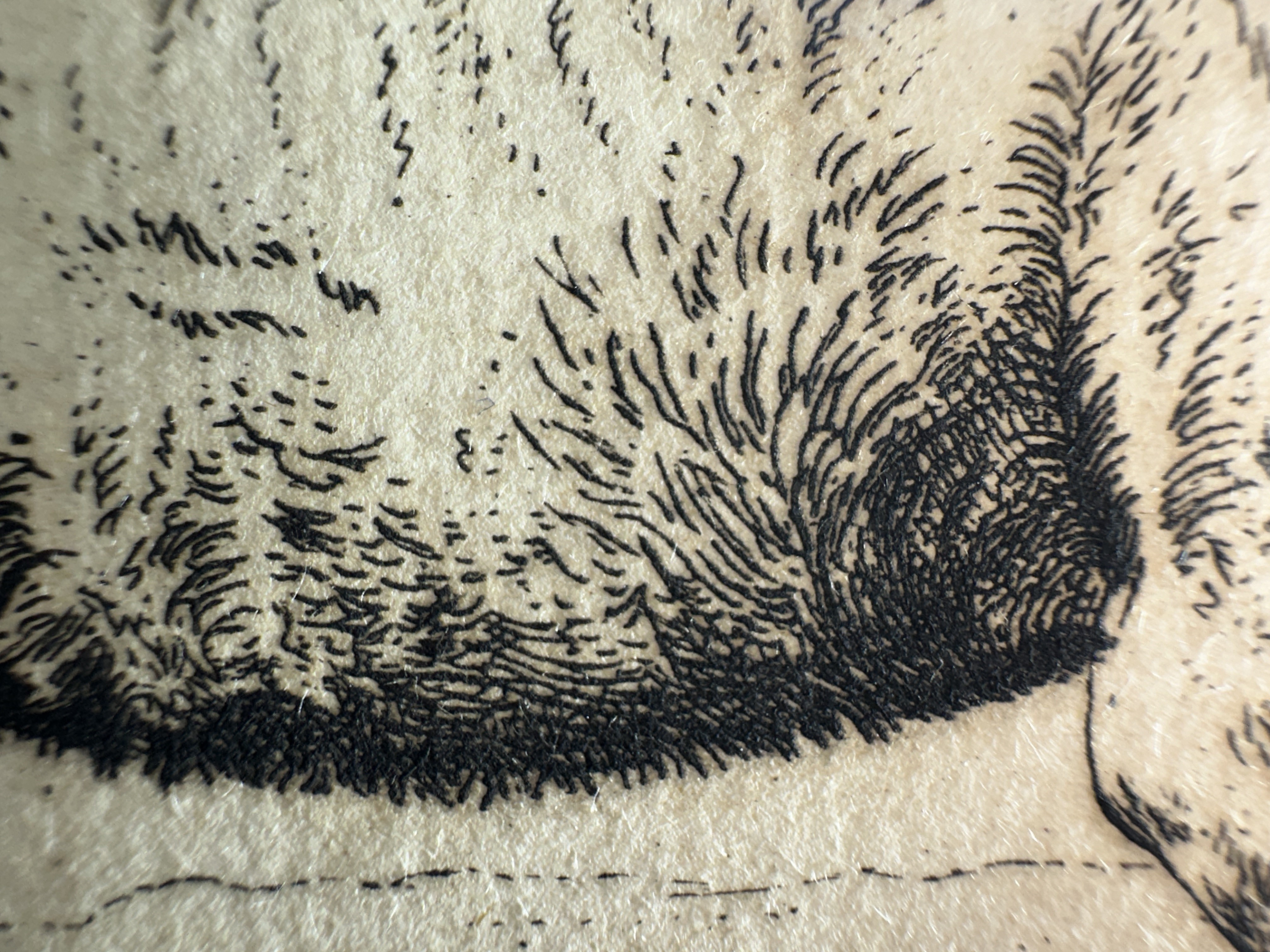
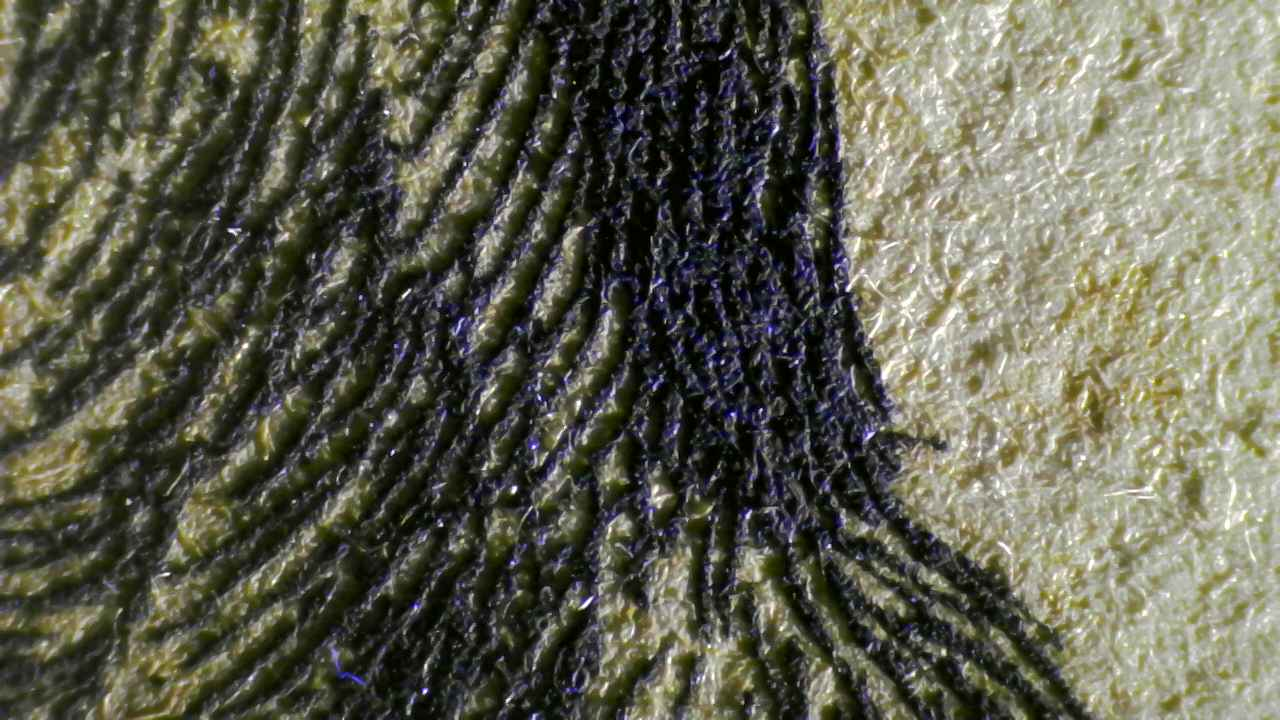
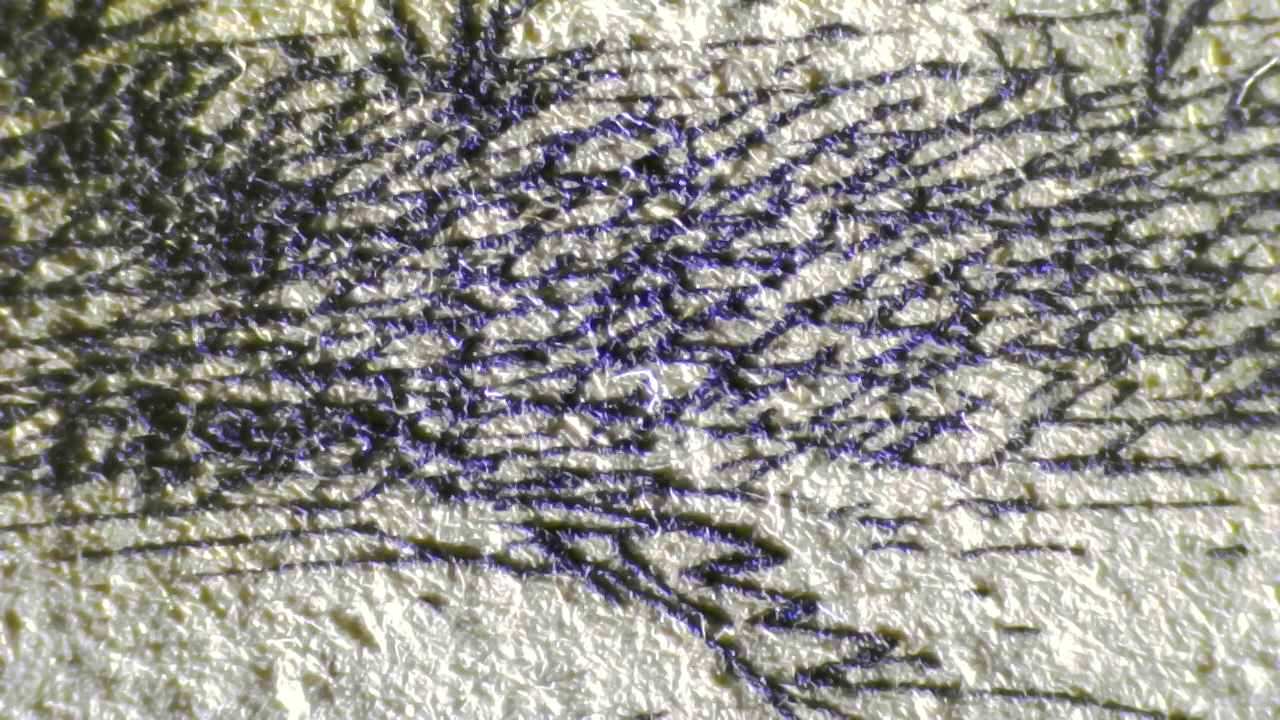
The relief visible in the lines, observed under a microscope at 250× magnification, appears as a direct result of the interaction between the ink, the printing pressure, and the paper. The materiality of the line manifests as a smooth and continuous microrelief, without any signs of flattening or collapse of the ink channel. Under raking light, the volume becomes clearly perceptible, confirming a sharp impression with a tangible physical presence and real depth. This combination of relief, continuity, and visual stability indicates an impression obtained when the printing plate still retained its full transfer capacity, before significant wear from use.
Documented subsections:
- Continuous line
- Edge retention
- Dominant hatching
- Pressure / micro-relief
- Raking light

.png?width=900)

Overall, the work presents a consistent technical and material coherence. The stability of the support, the definition of the platemark, and the vitality of the line allow a direct and secure reading of the impression, highlighting its physical presence and the clarity with which the plate work can be perceived.
Provenance & History
The print was passed down from generation to generation, always remaining within the same family. Its state of preservation suggests that it has been handled minimally: the print was preserved for decades in a protected environment, away from direct light, humidity fluctuations, and the damage that framing can cause. In fact, it is likely that the print has been handled far less in the last 100 years than it has in the last three months, when it was meticulously examined with a microscope, raking light, and watermark analysis as part of this technical study.
This continuity of private custody—with no recorded sales, no auction appearances, and no dealer interventions—explains both the exceptional state of preservation and the survival of physical markers often lost in circulating impressions, including the active burr, the bevelled platemark corners, and the complete deckle edges.
The provenance therefore supports the attribution not merely by lineage, but by material coherence: everything about the sheet’s condition aligns with an impression that has remained untouched, unlined, and untrimmed since the 17th century.
Access and Research Collaboration
High-resolution files, complete sets of macrophotographs, and the internal technical report on the Álvarez print are available to qualified researchers upon request. Comparative videomicroscopy sessions can also be arranged for institutions interested in examining the characteristics of the early stages of the work in detail.
All observations presented on this page are based on direct examination of the private print.
For inquiries, image permissions, or collaborative projects, please use the contact form on the main website or write to:
susana123.sd@gmail.com
fineartoldmasters9919@gmail.com
susana@alvarezart.info
Phone: +1 786 554 2925 / +1 305 690 2148
Álvarez Collection Verification Record #AC-PP-238-2025